Human-Centered Computing and Biometrics
Human-Centered Computing and Biometrics As intelligent systems become more integrated into everyday life, ensuring they are intuitive, inclusive, and responsive to human needs is essential. […]
Read More →Human-Centered Computing and Biometrics As intelligent systems become more integrated into everyday life, ensuring they are intuitive, inclusive, and responsive to human needs is essential. […]
Read More →Machine Learning and Artificial Intelligence Artificial intelligence is transforming how complex systems learn, adapt, and support decision-making in dynamic environments. This research advances machine learning […]
Read More →Photonics and Optical Communications Advances in photonics and optical communications are transforming how data is transmitted, processed, and secured across complex systems. This research focuses […]
Read More →Robotics and Autonomous Systems Robotics and autonomous systems are reshaping how complex tasks are executed across dynamic and mission-critical environments. This research advances intelligent, adaptive […]
Read More →Advanced Control and Intelligent Systems Autonomous systems must operate reliably in complex, fast-changing environments where human operators rely on timely, accurate system performance. This research […]
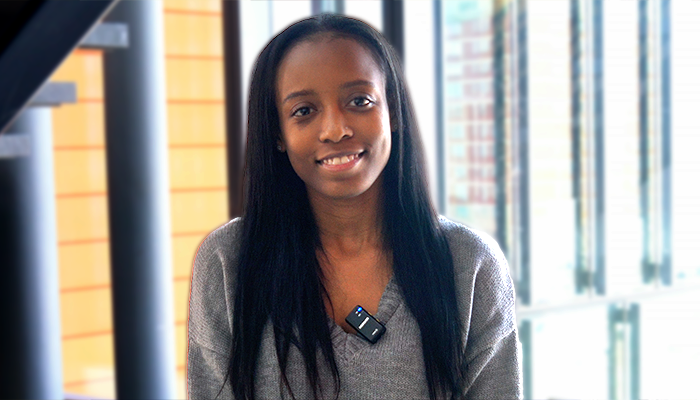
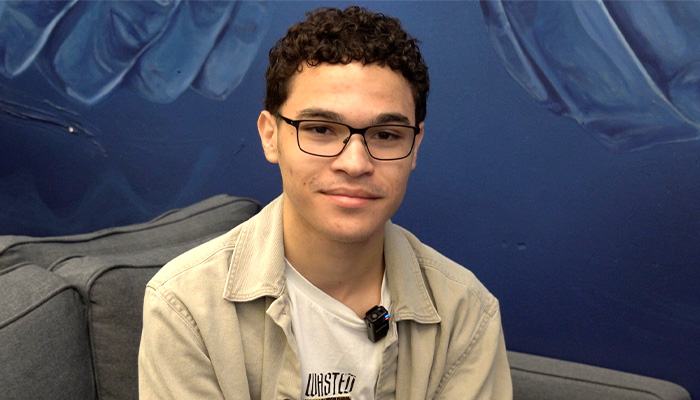
Read More →Bowie State University Computer Science major Makayla Lomax is building confidence and hands-on research experience at RITA. From learning Python to solving challenging problems, she’s preparing for a future career in data science.
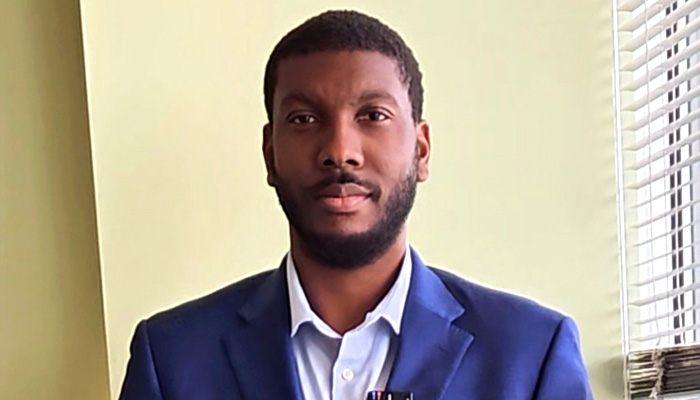
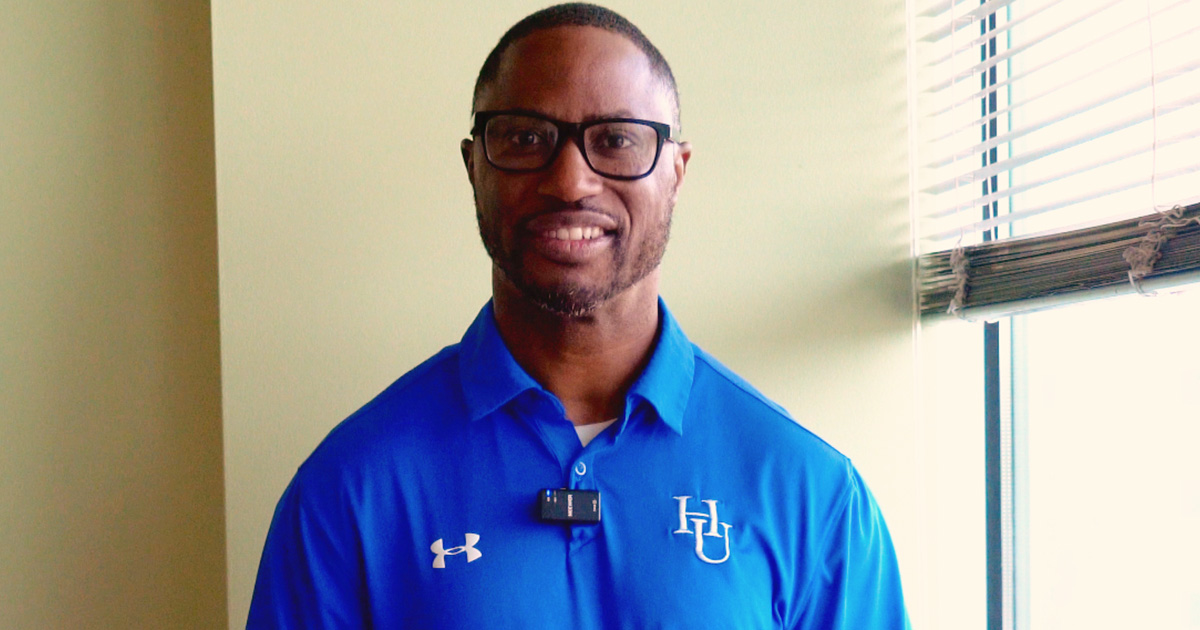
Read More →Dr. Jeremy Blackstone is an assistant professor in Howard University’s Electrical Engineering and Computer Science department, where he blends expertise in cybersecurity, embedded systems, and AI with a passion for mentoring the next generation of researchers. His work with RITA supports critical advances in communication, accuracy, and precision across systems that directly impact Air Force capabilities.
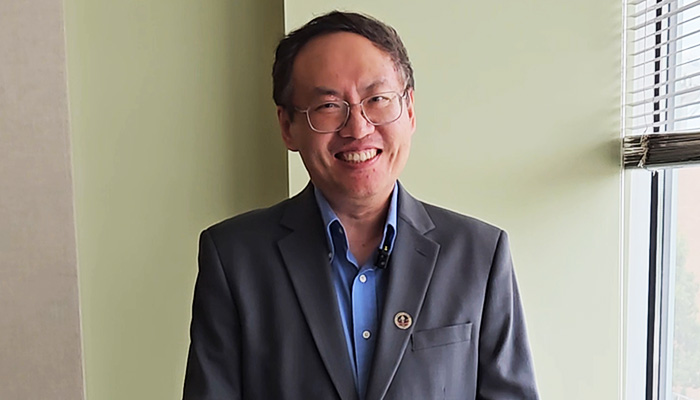
Read More →Dr. Bo Yang, Professor of Computer Science at Bowie State University, whose work bridges advanced artificial intelligence research, student mentorship, and real-world impact. Appointed by Maryland Governor Wes Moore to the Workgroup on Artificial Intelligence Implementation, Dr. Yang brings expertise in big data, language models, and trustworthy AI to both public policy and RITA UARC research.
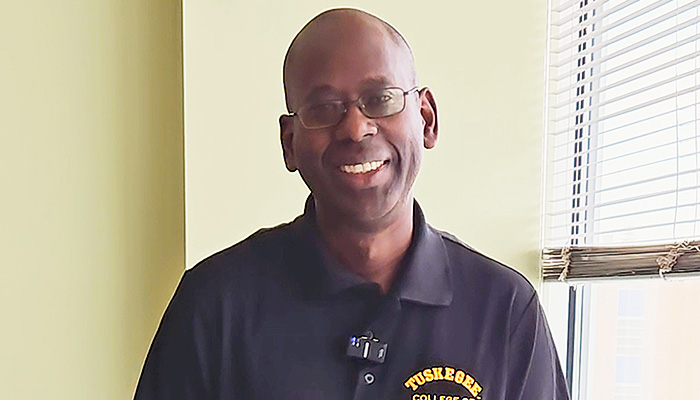
Read More →From mathematics to engineering, Dr. Mandoye Ndoye has built a career centered on impactful research and student mentorship. As a professor at Tuskegee University, he contributes to RITA’s mission through work in digital signal processing and autonomous systems.
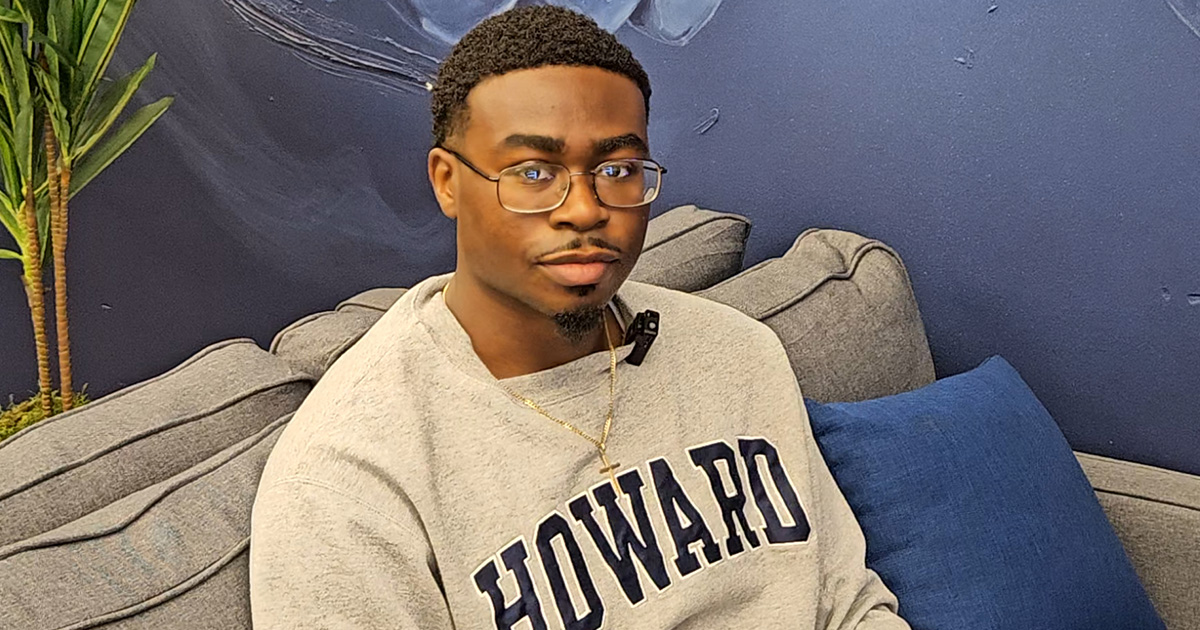
Read More →For PhD student Doron Reid, RITA has been both a challenge and a turning point. Funded through the program, he returned to Howard University and quickly became involved in hands-on research. Reed hopes to use his journey to inspire young students to explore their creativity through STEM and research.
Read More →At Hampton University, Dr. Demetris Geddis, Assistant Dean and Professor of Electrical and Computer Engineering, blends his engineering expertise with a deep passion for mentorship and research. He has played a key role in shaping Hampton’s contributions to RITA and sees autonomy research as an area poised for significant national impact. Geddis believes that giving students meaningful research experiences is essential to preparing the next generation of STEM leaders.
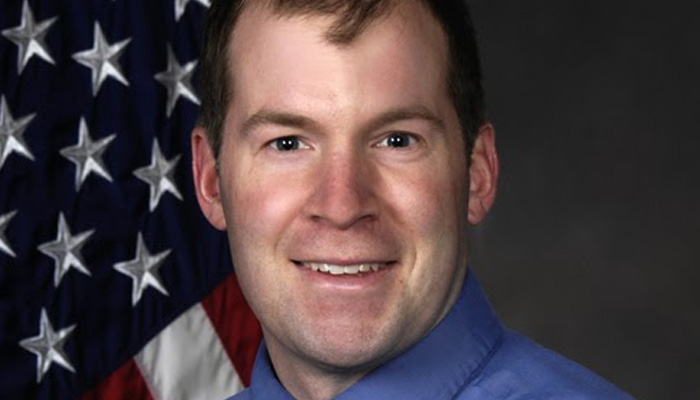
Read More →As a long-time AIAA member, Dr. David Casbeer leads AFRL’s UAV Cooperative and Intelligent Control Team, driving advancements in autonomous technologies that strengthen future Air Force missions.
Read More →Matthew Little is a senior computer science major at Delaware State University. He reflects on his early experiences at RITA, where collaboration and mentorship have already shaped his growth as a researcher. These experiences have also fueled his ambition to pursue graduate studies and future innovation.
Read More →Dr. Anietie Andy is the lead on one of the task order projects and is an Assistant Professor in Howard University’s Department of Electrical Engineering and Computer Science. In this spotlight, he shares how curiosity and collaboration shape his approach to artificial intelligence.
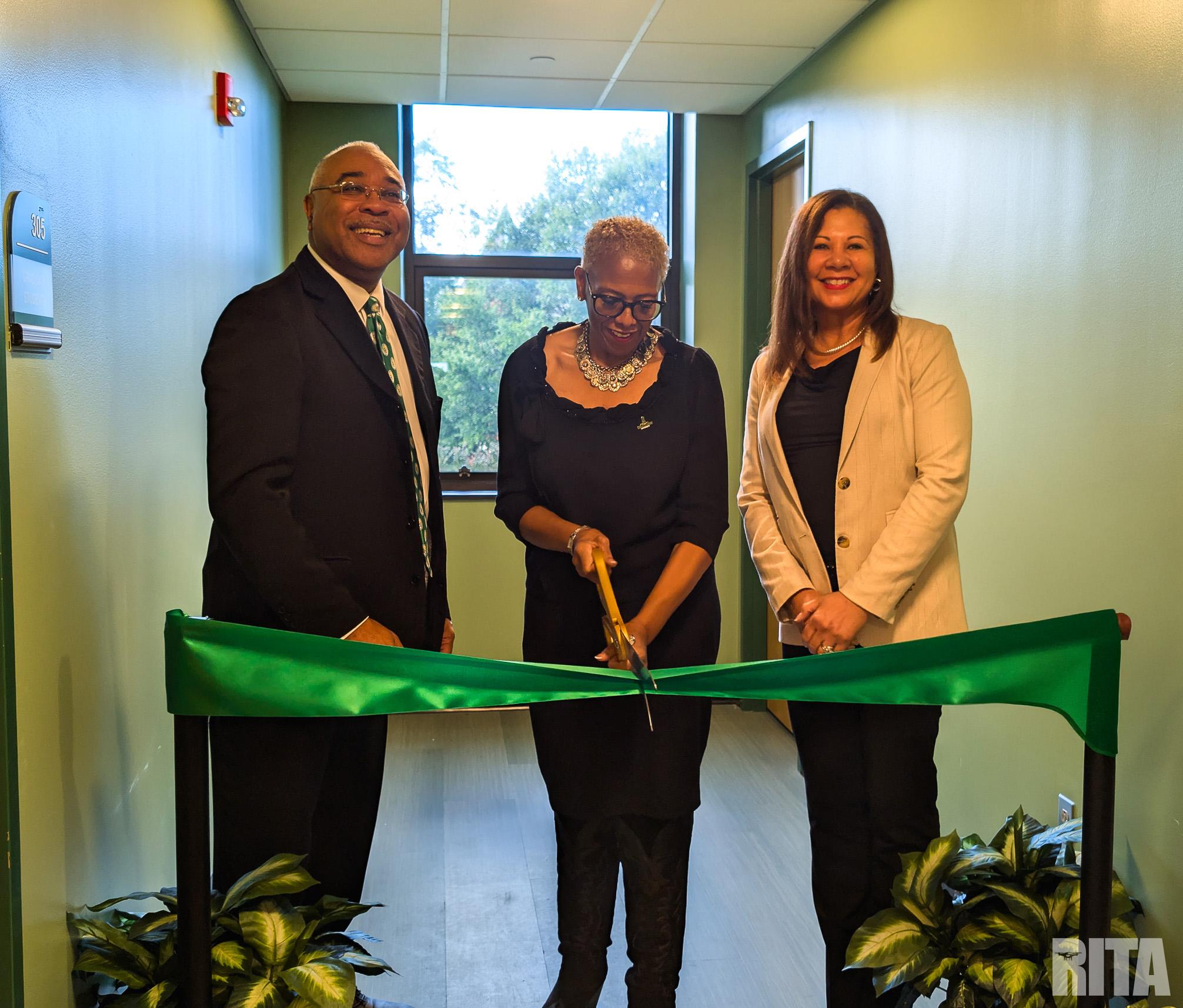
Read More →RITA celebrated the opening of the new Tactical Autonomy Lab at Norfolk State University, a state-of-the-art facility designed to promote hands-on research and innovation. The event featured remarks from NSU President Dr. Javaune Adams-Gaston, Dr. Michael O. Keeve, Dean of the College of Science, Engineering, and Technology, RITA Executive Director Dr. Sonya T. Smith, and other distinguished members of the NSU faculty. The opening of the Tactical Autonomy Lab represents a significant milestone in advancing fieldable tactical autonomy research.
Read More →Highlights from RITA’s Annual Meeting hosted at Jackson State University
Read More →Dr. Gloria Washington, Associate Professor of Computer Science at Howard University and Principal Investigator with RITA, focuses on human-centered computing and deepfake voice detection. Her work protects critical systems while guiding students to combine creativity and technology in their own careers.
Read More →Dr. Darsana Josyula, Professor of Computer Science at Bowie State University, was recently awarded the Elkins Professorship by the University System of Maryland. A leader in AI and autonomous systems, she is recognized for both her research and the vibrant community she has built in her lab.
Read More →Howard University partnered with Amazon Web Services to host the first-ever AWS Machine Learning University Educator Bootcamp, training more than 200 faculty from 35 institutions to integrate AI and ML into their classrooms.
Read More →Florida Memorial Student, Amauri Straford shares his experience working alongside RITA researchers, the guidance he received from RITA staff, and how the internship has shaped […]
Read More →