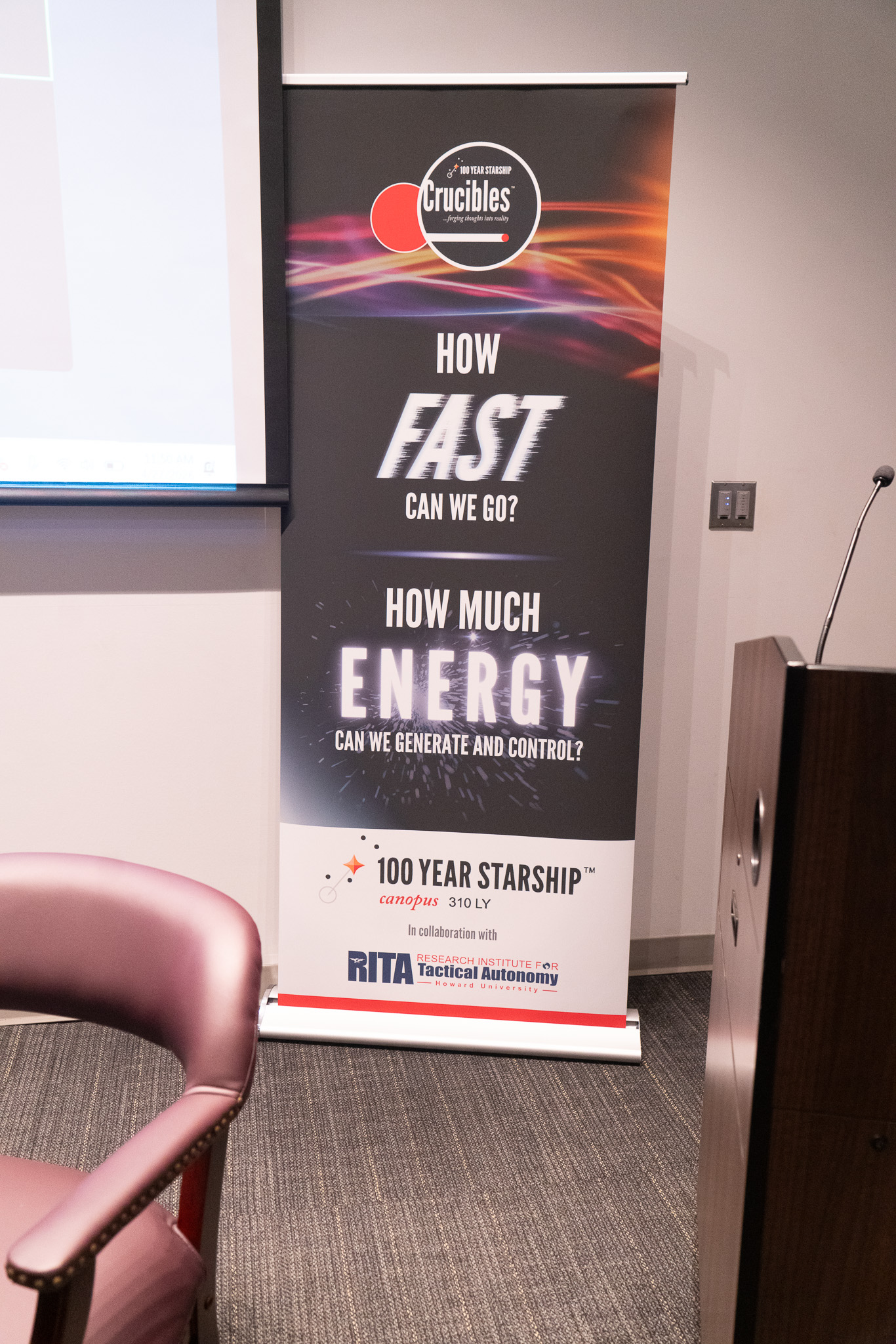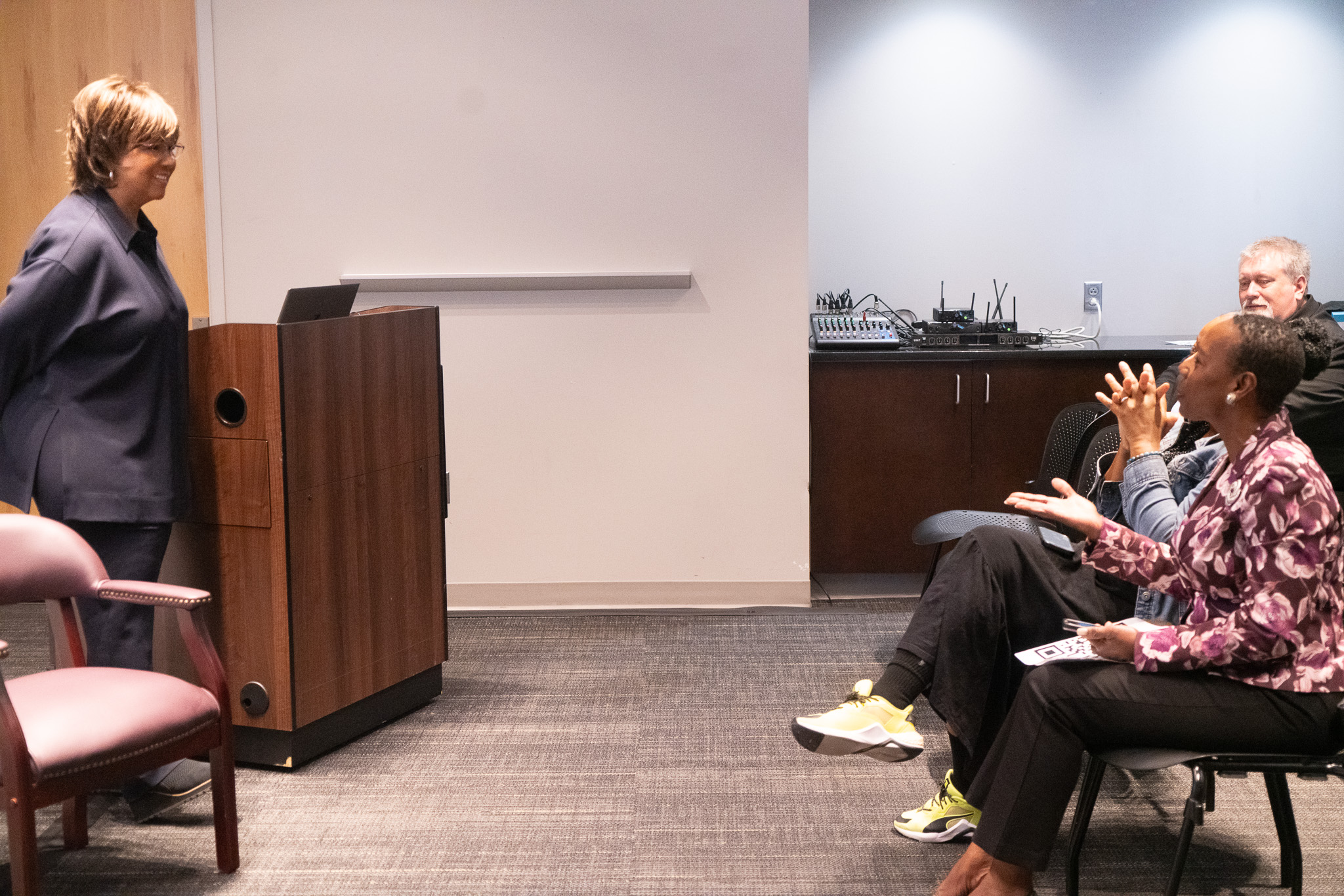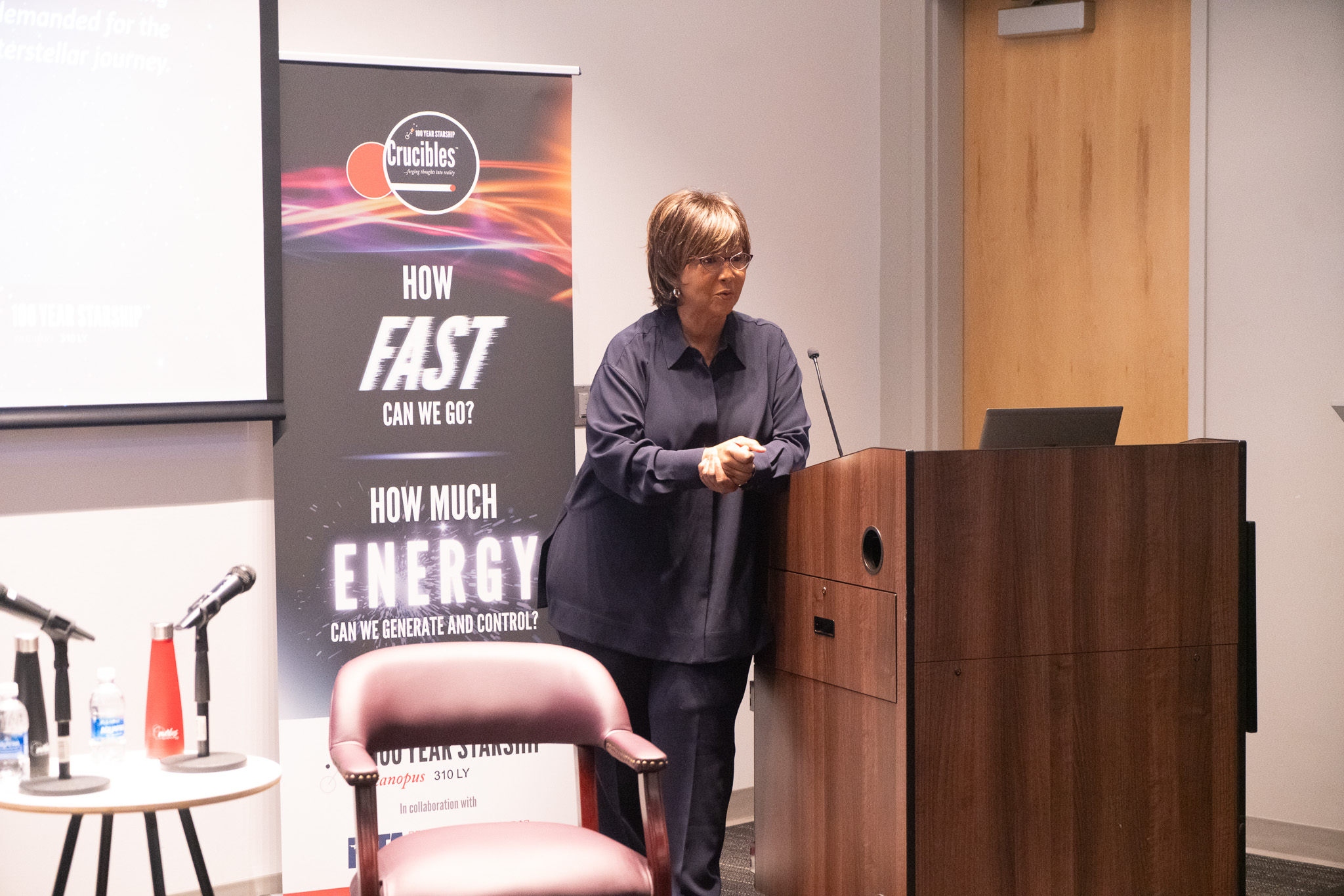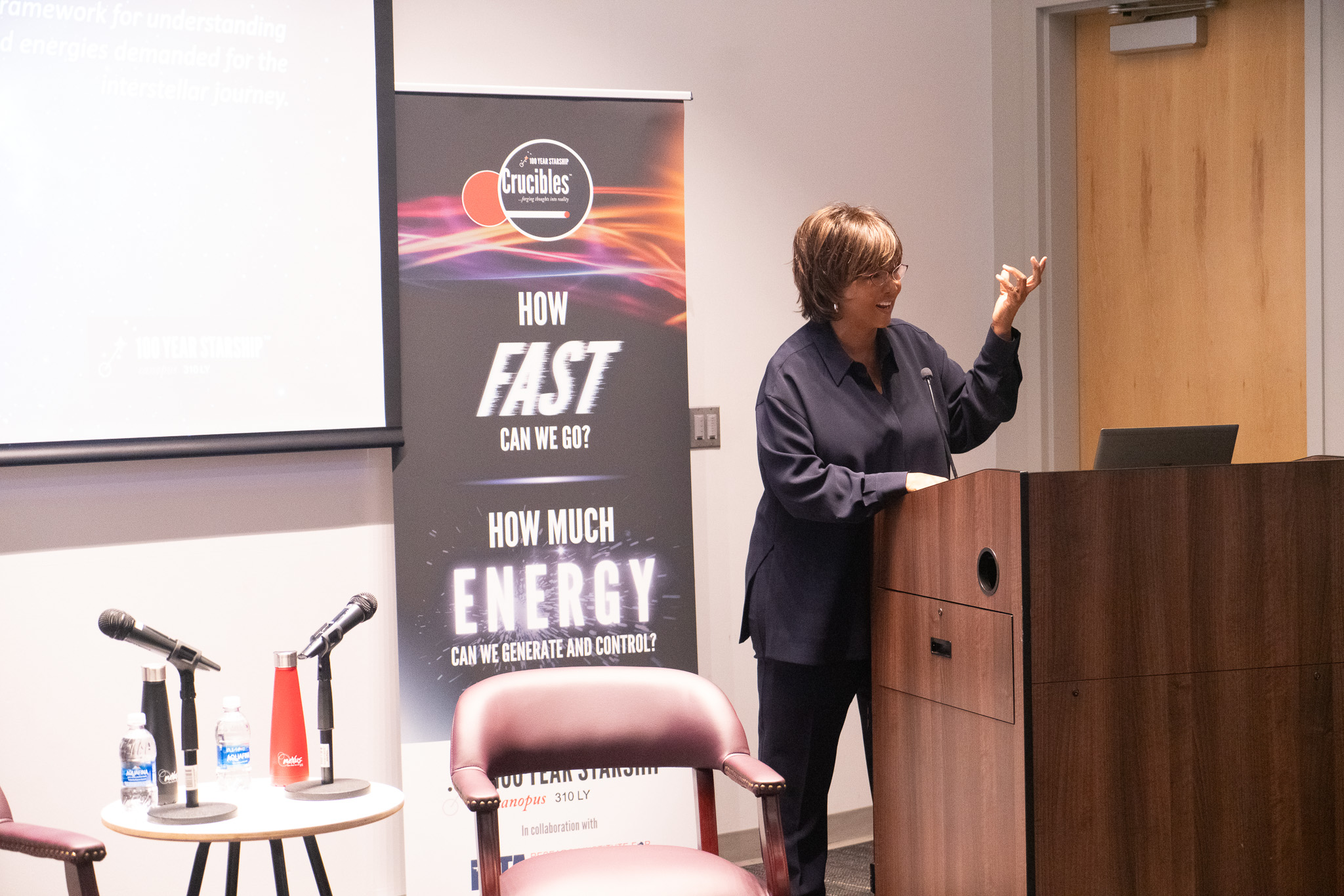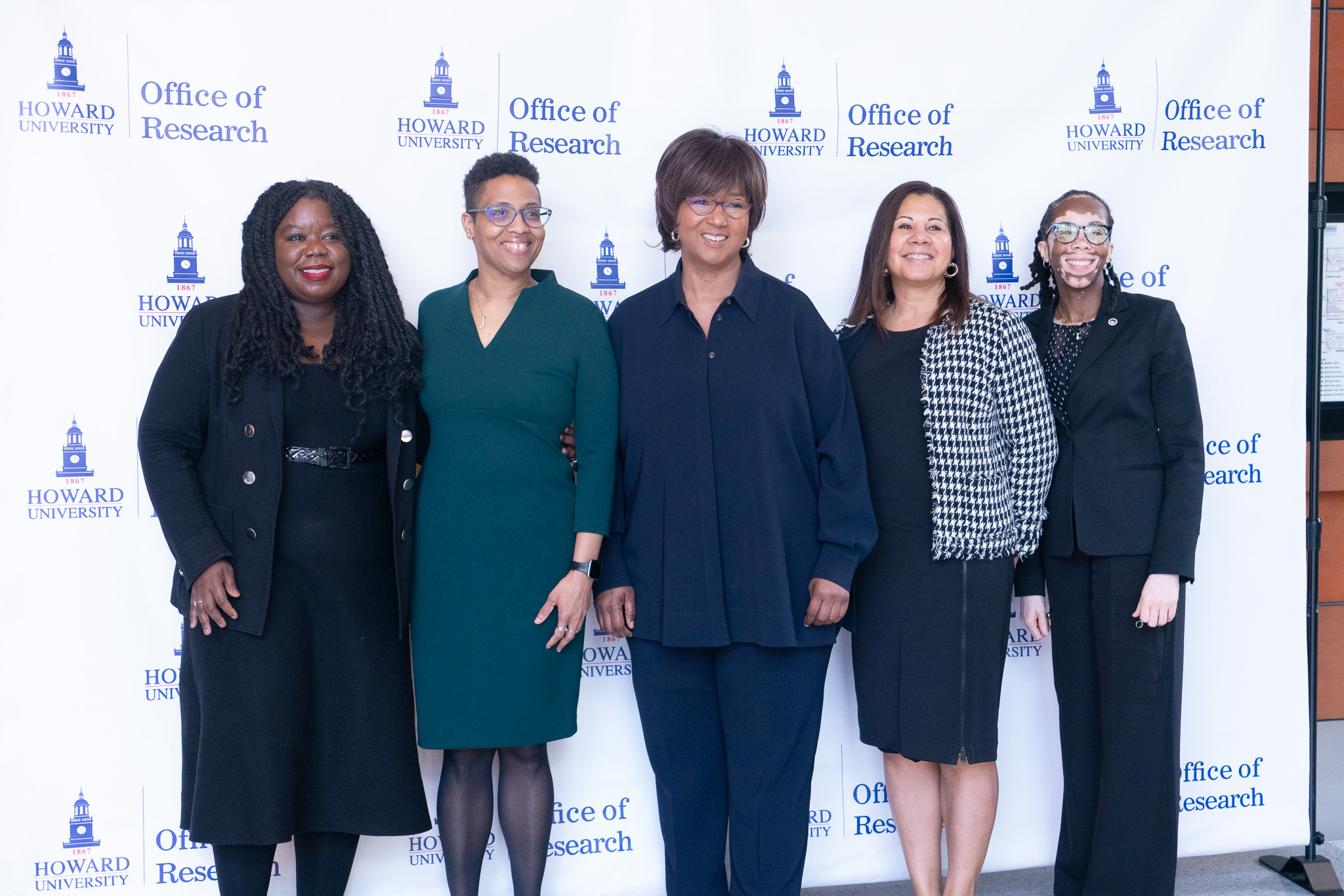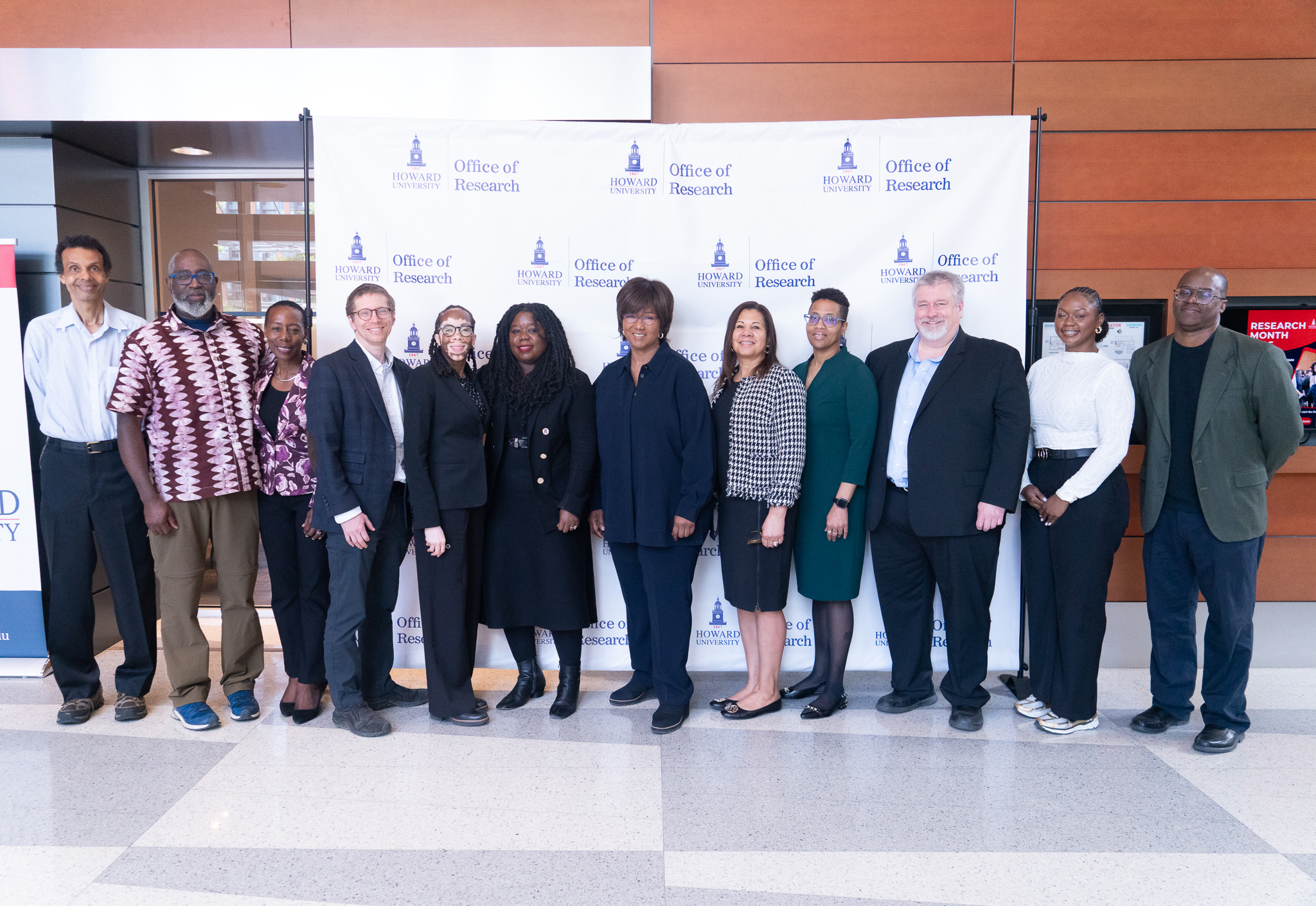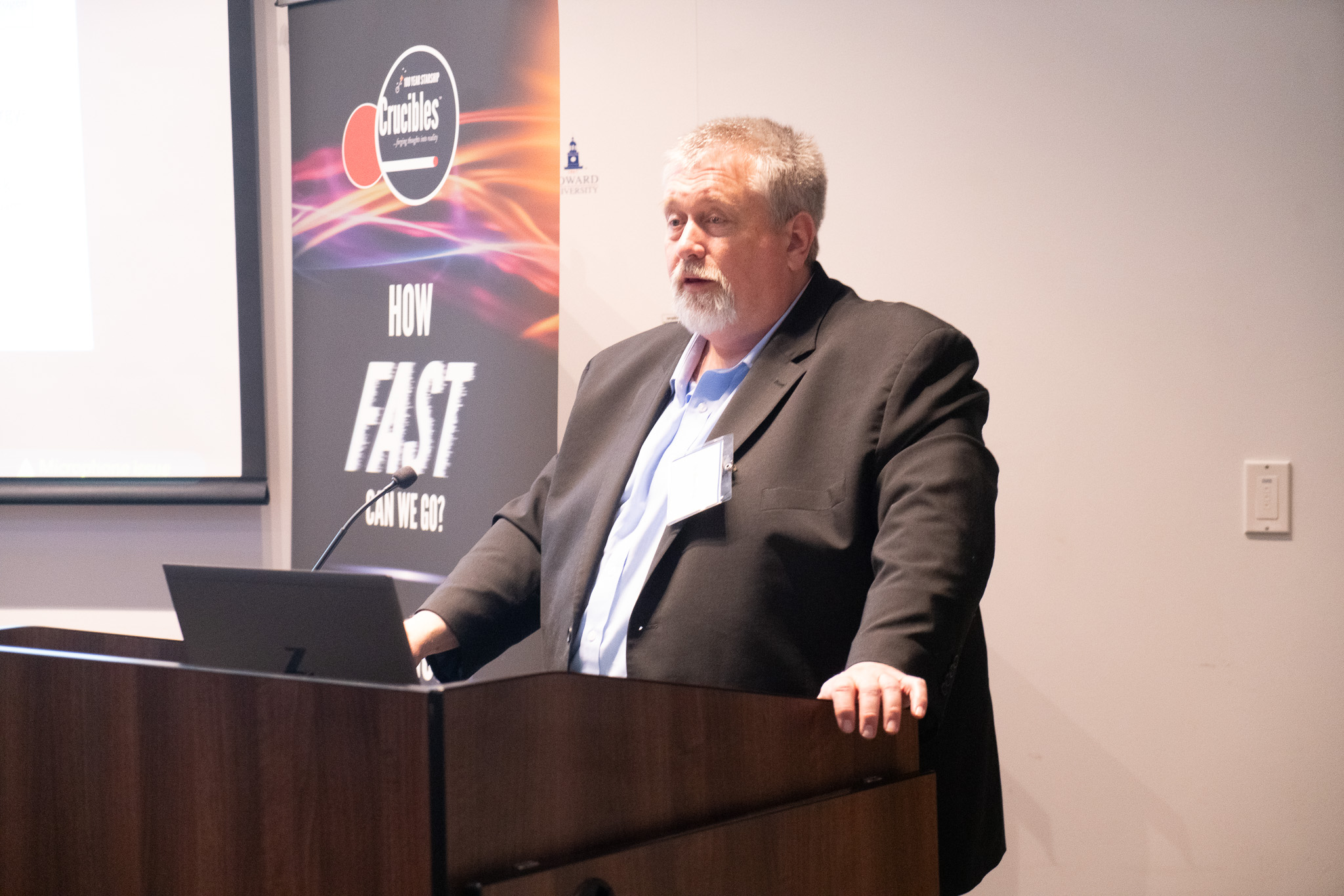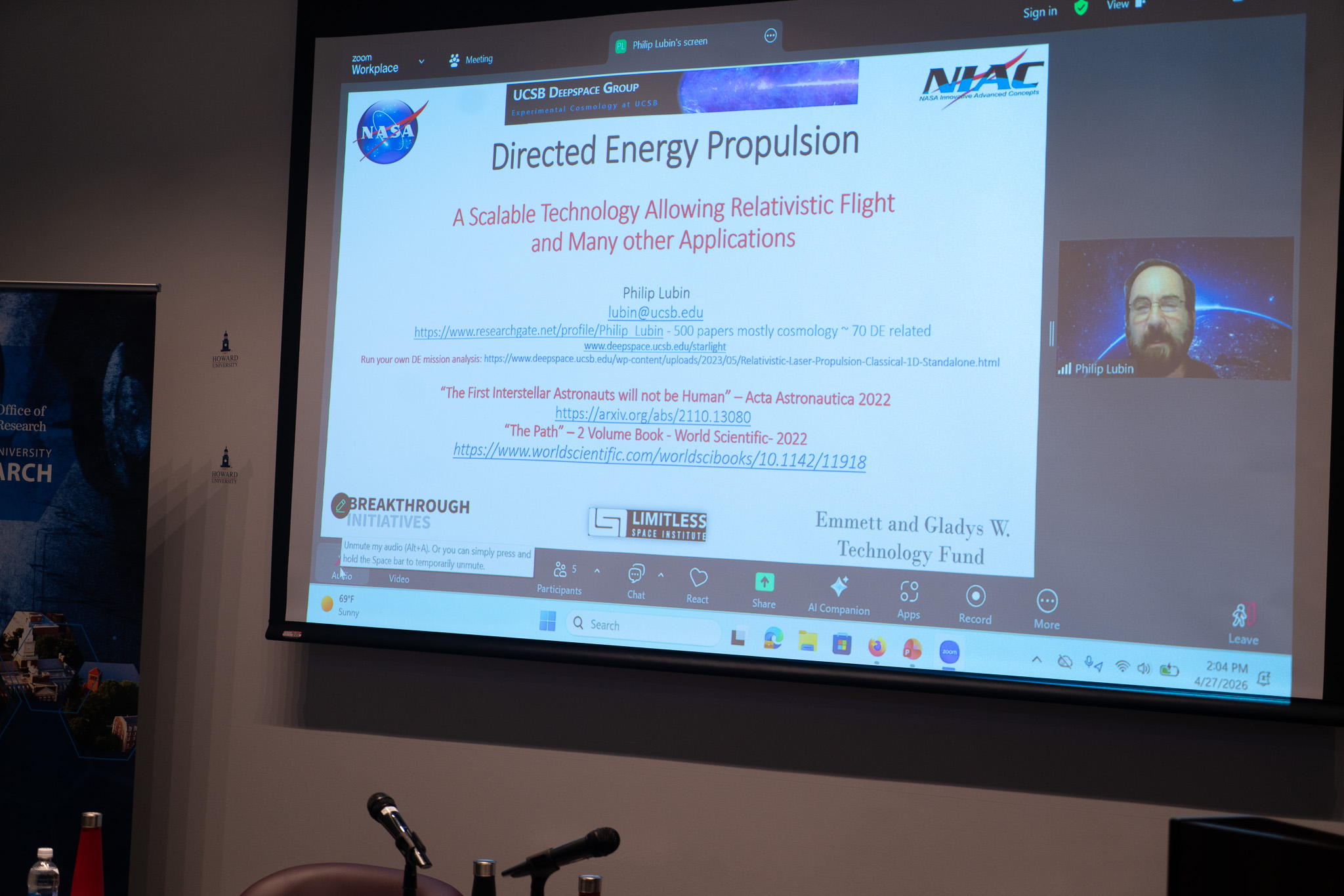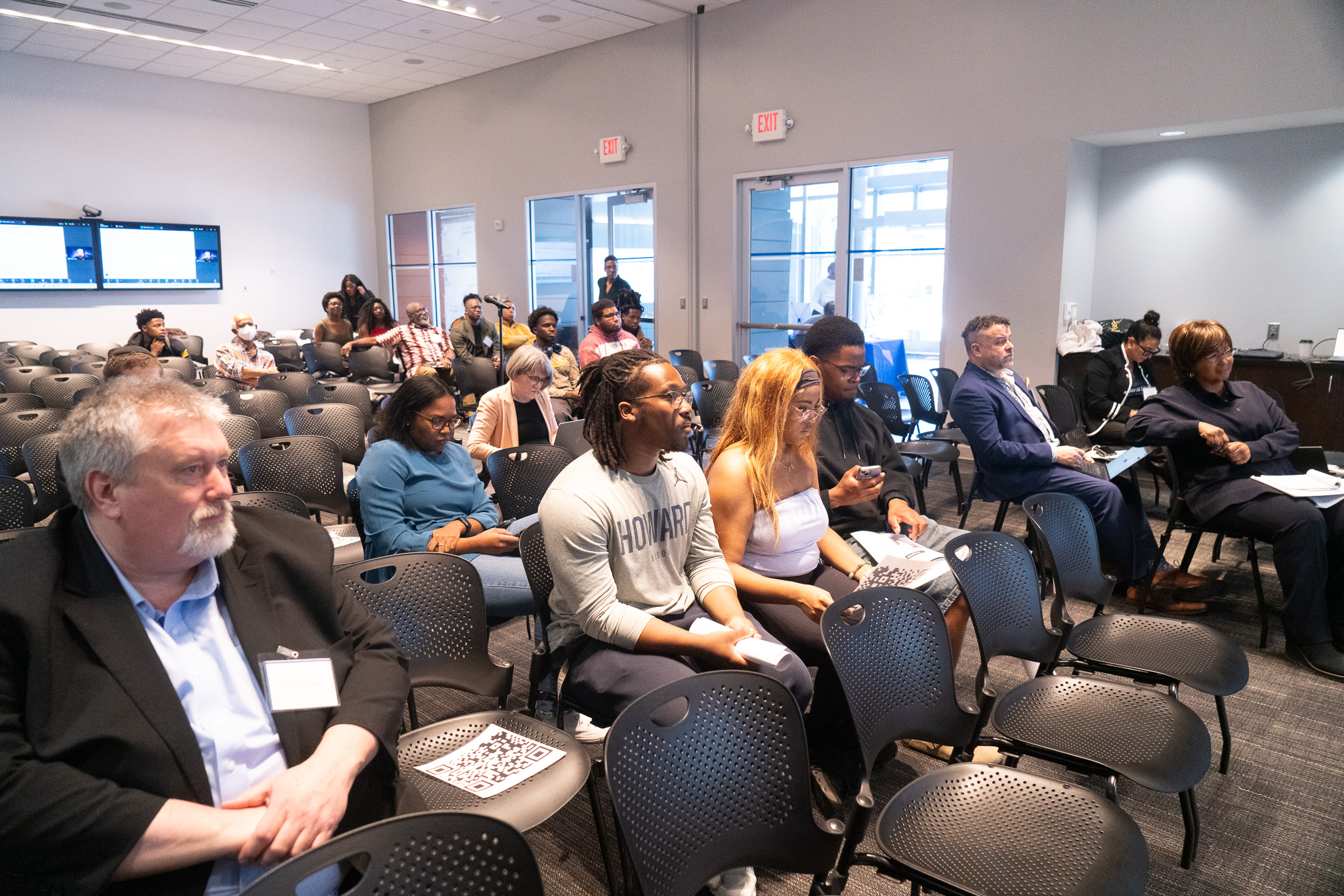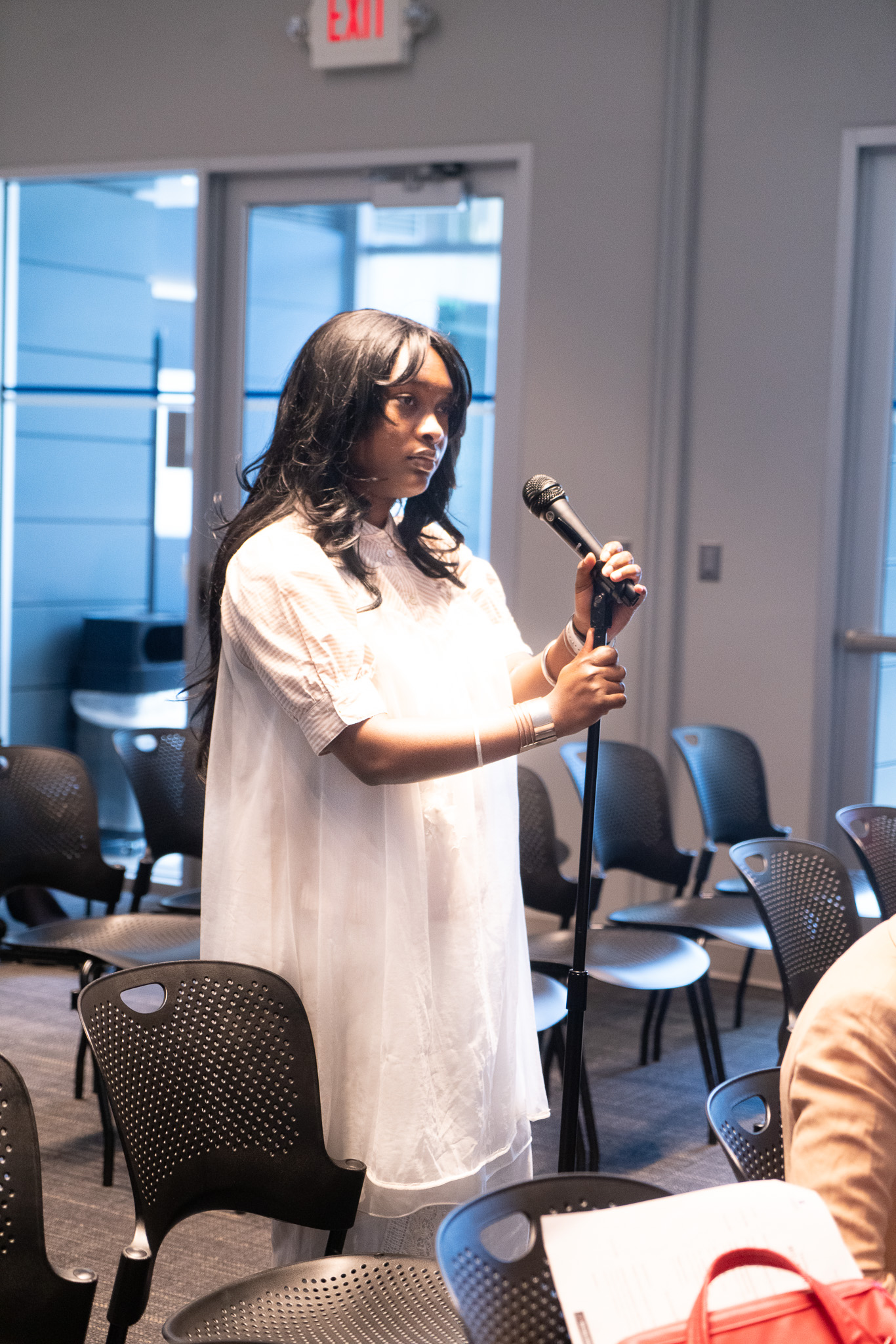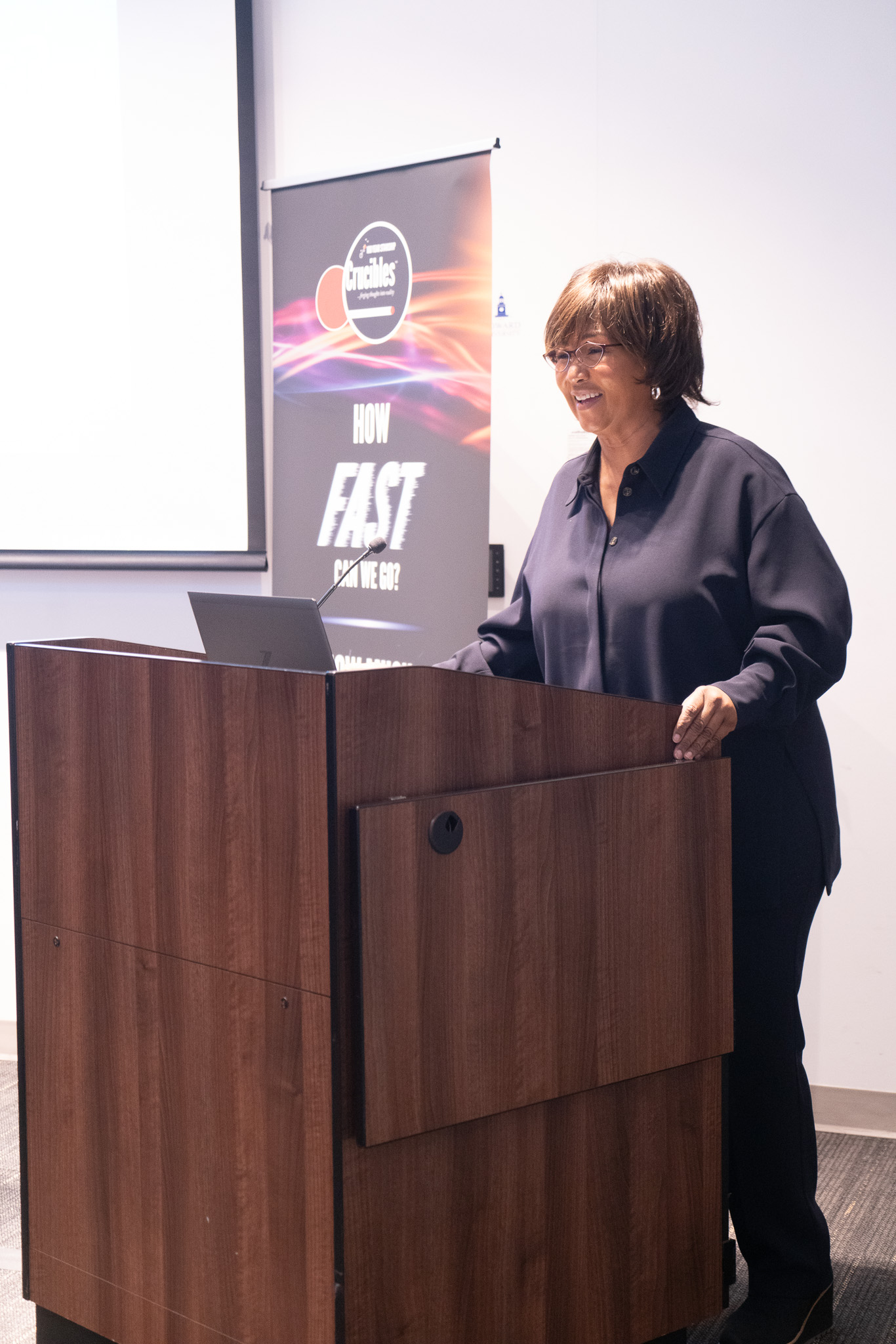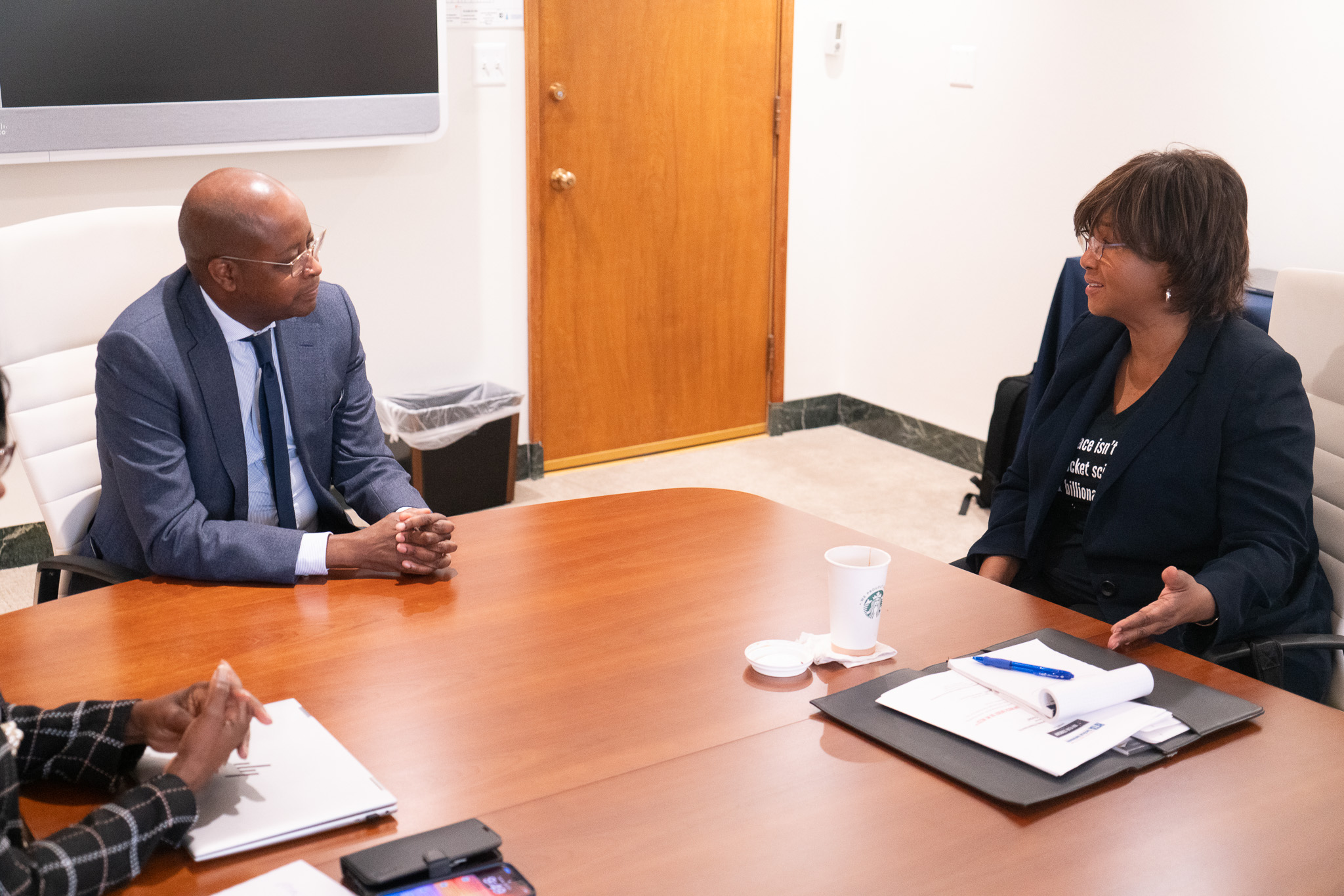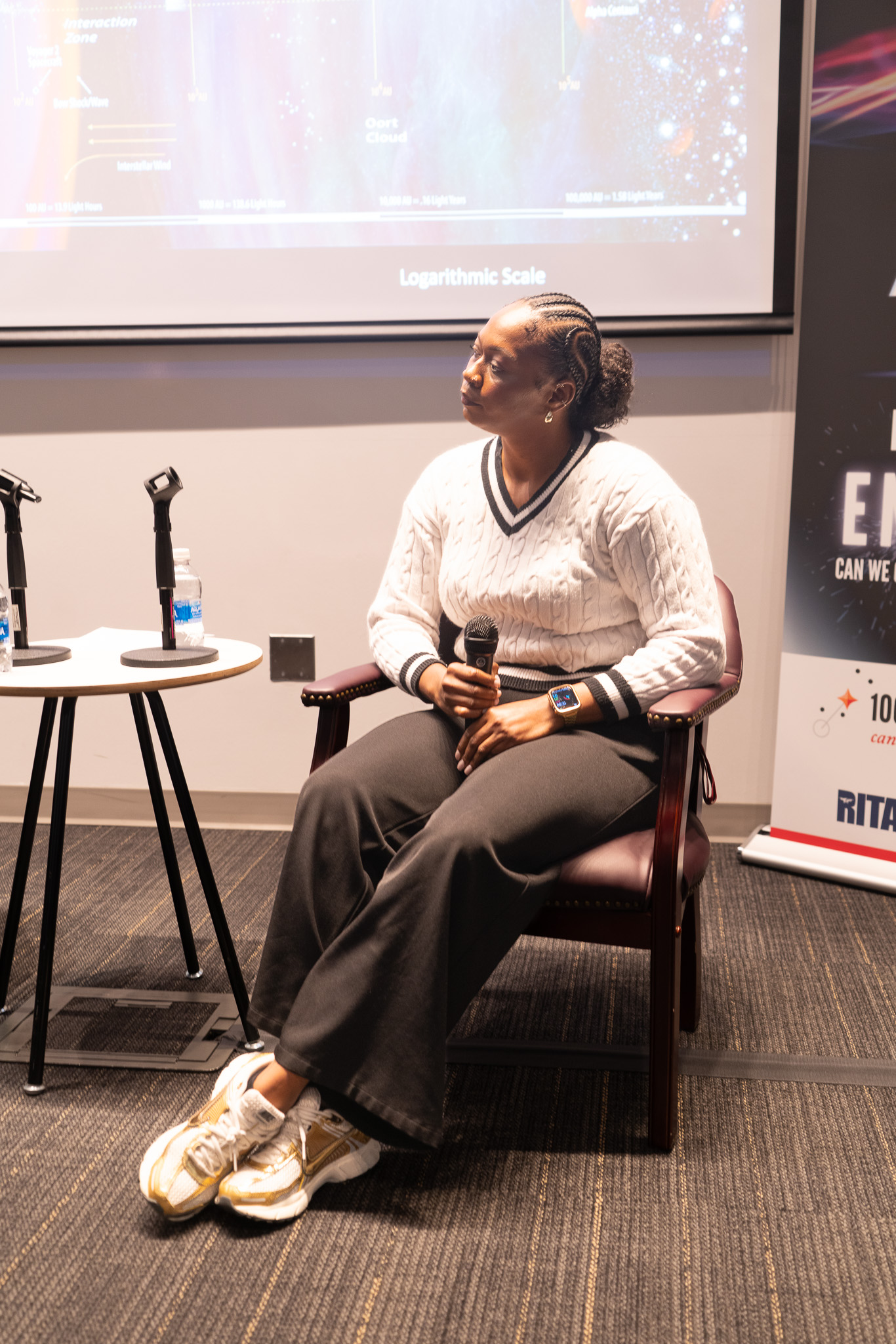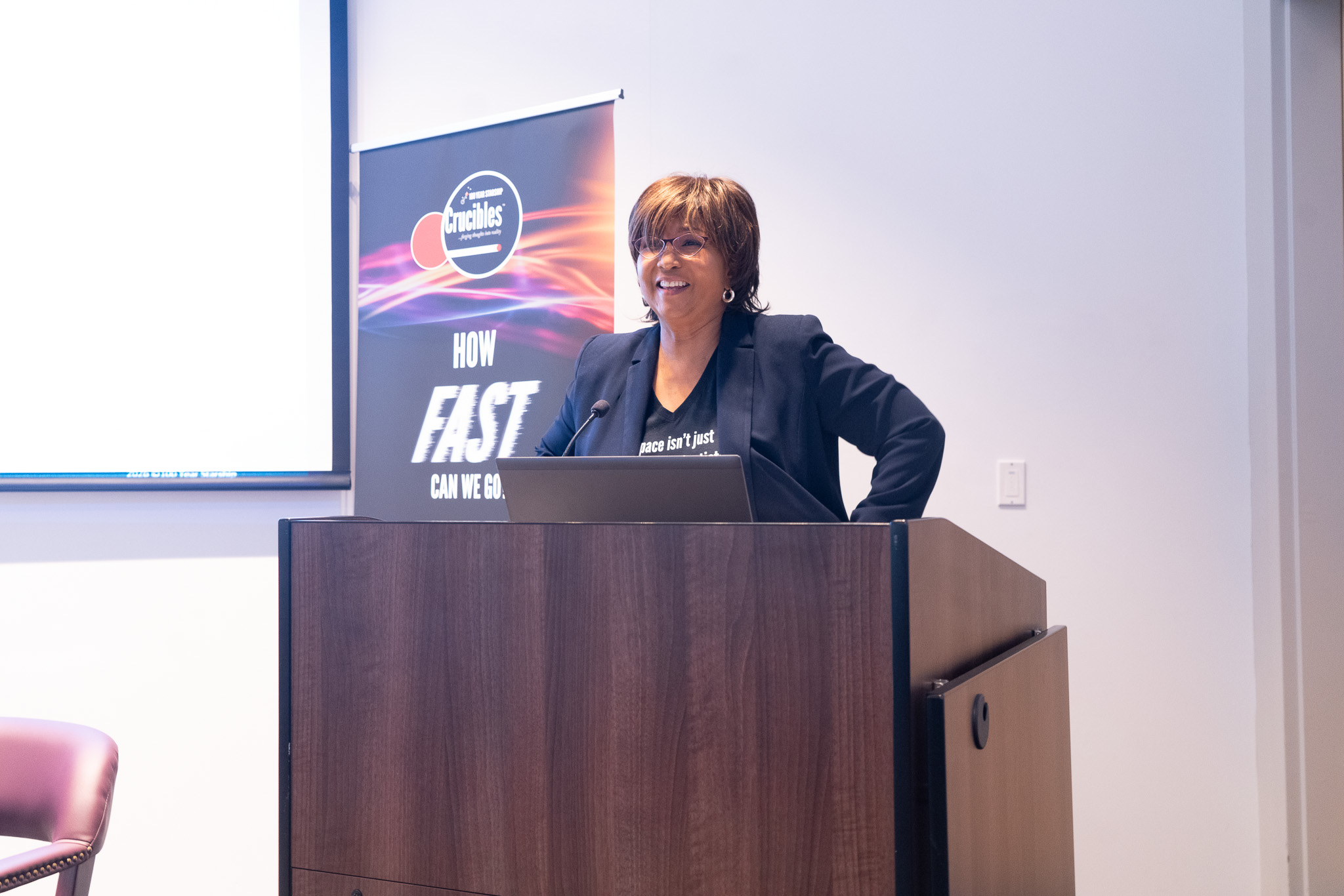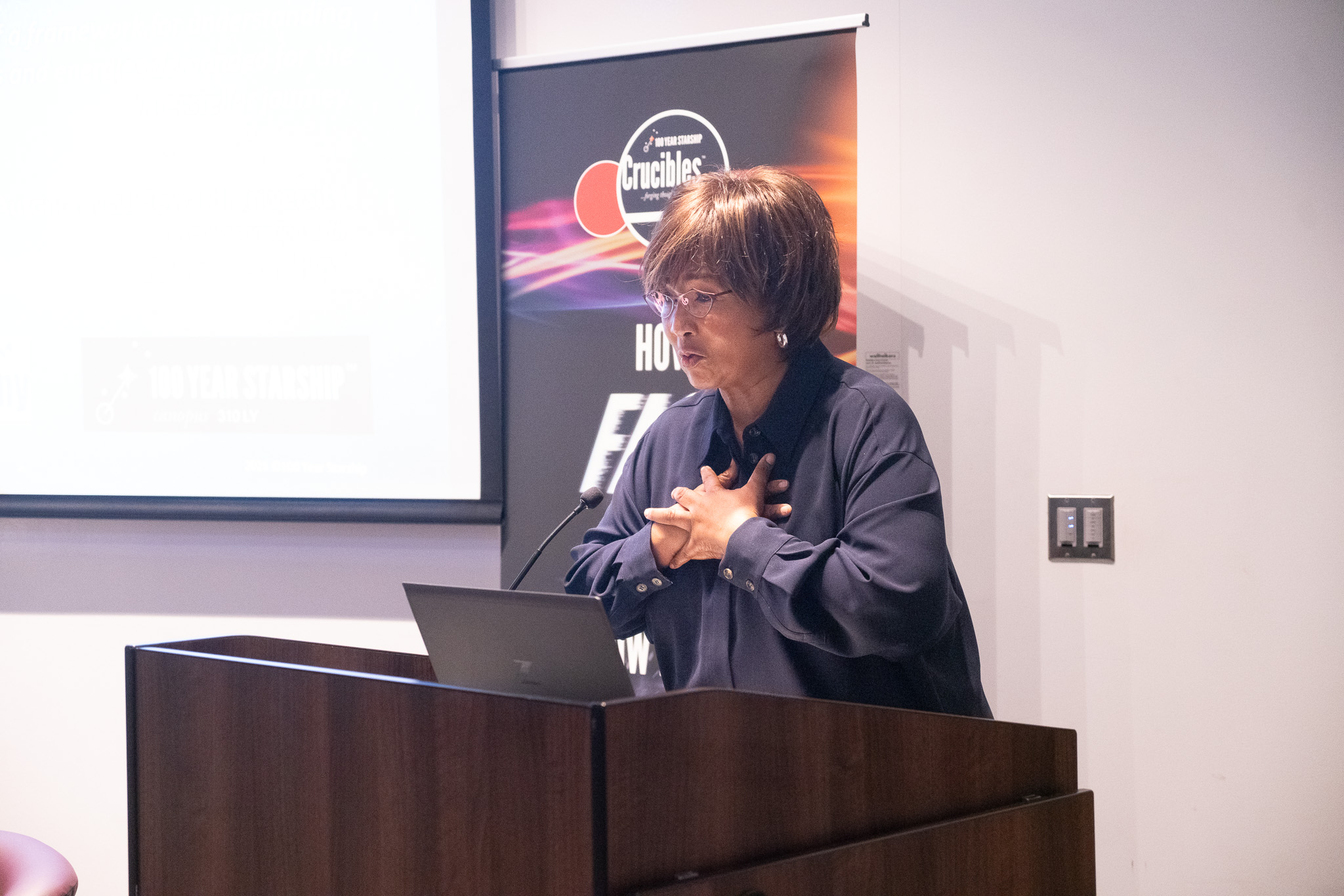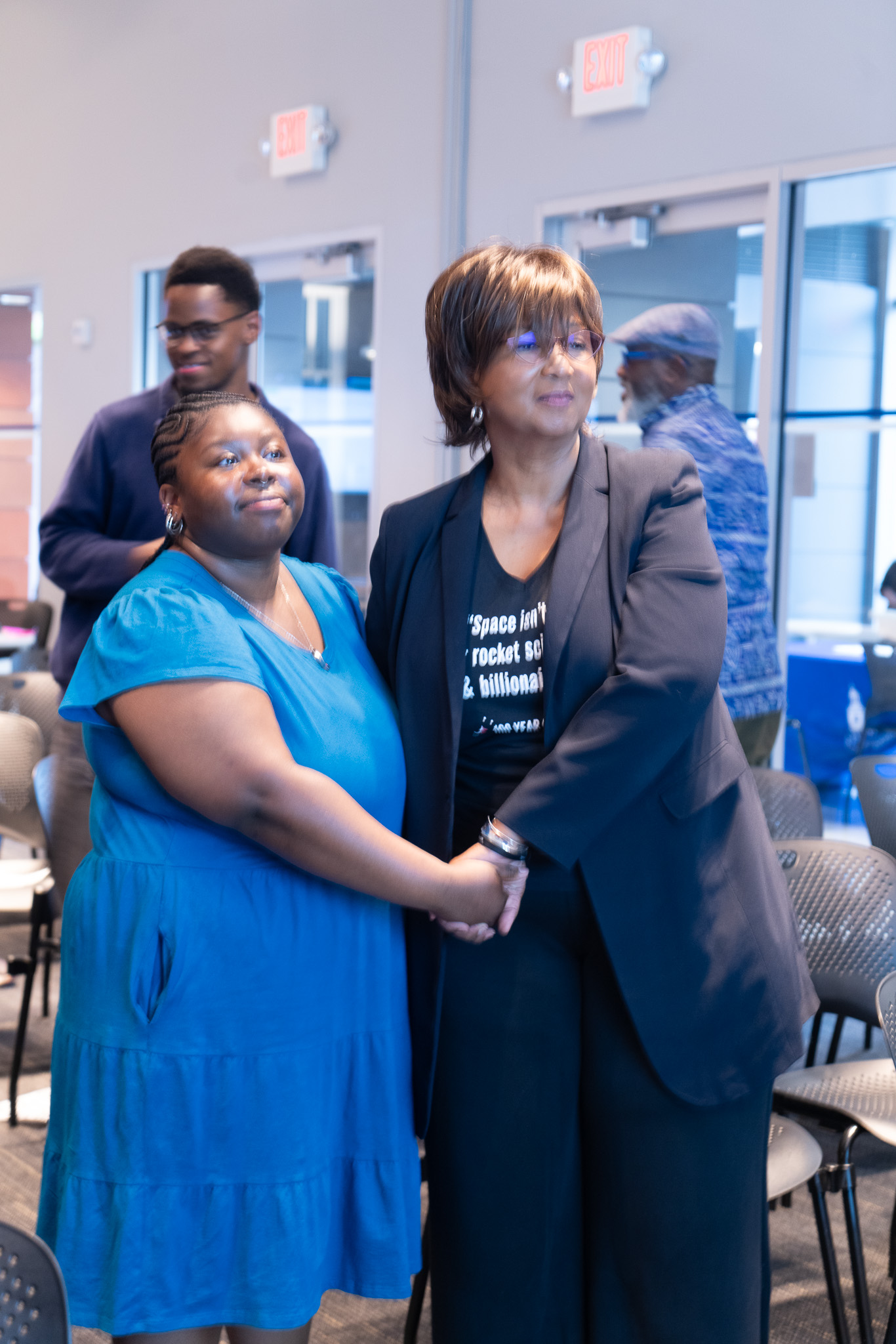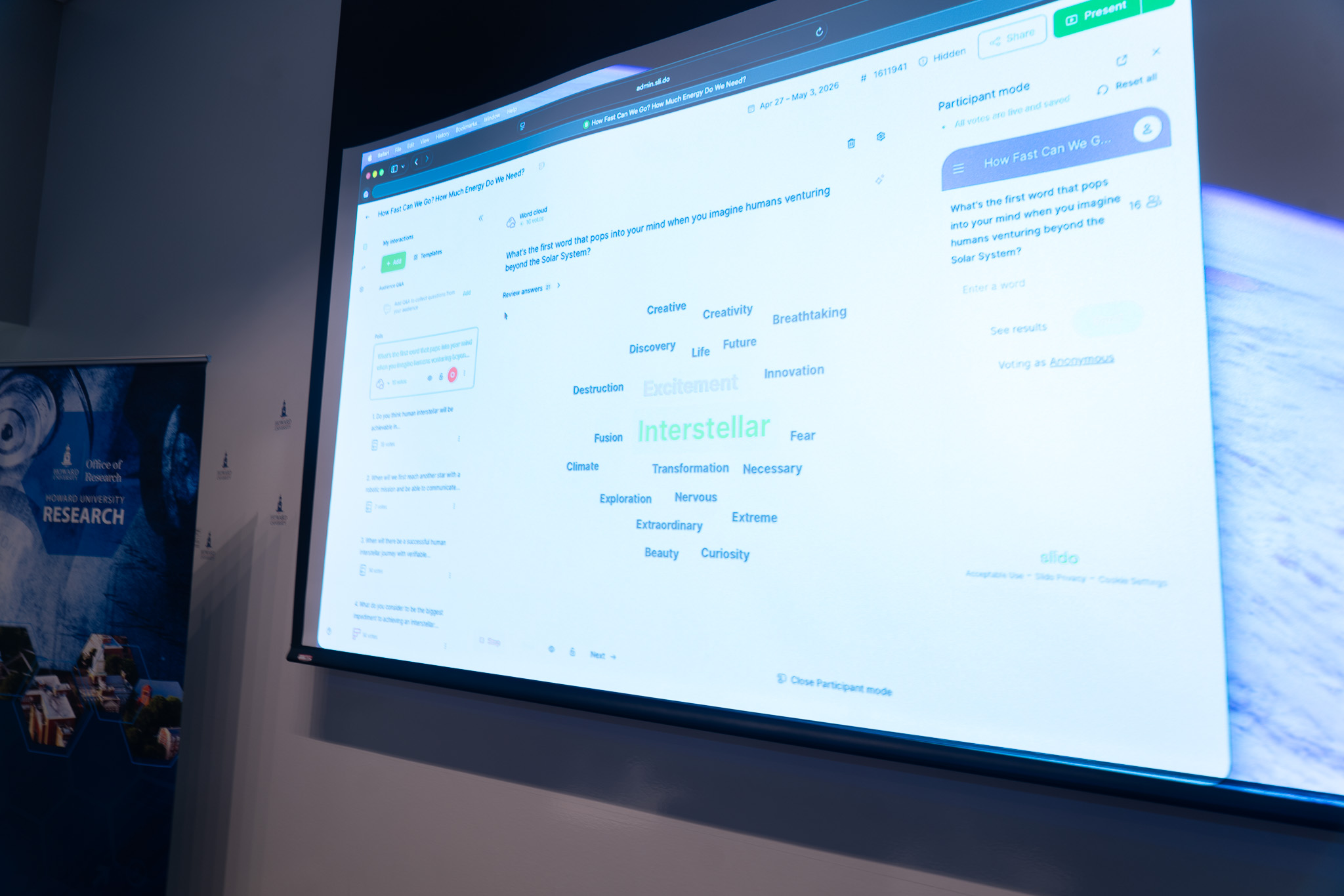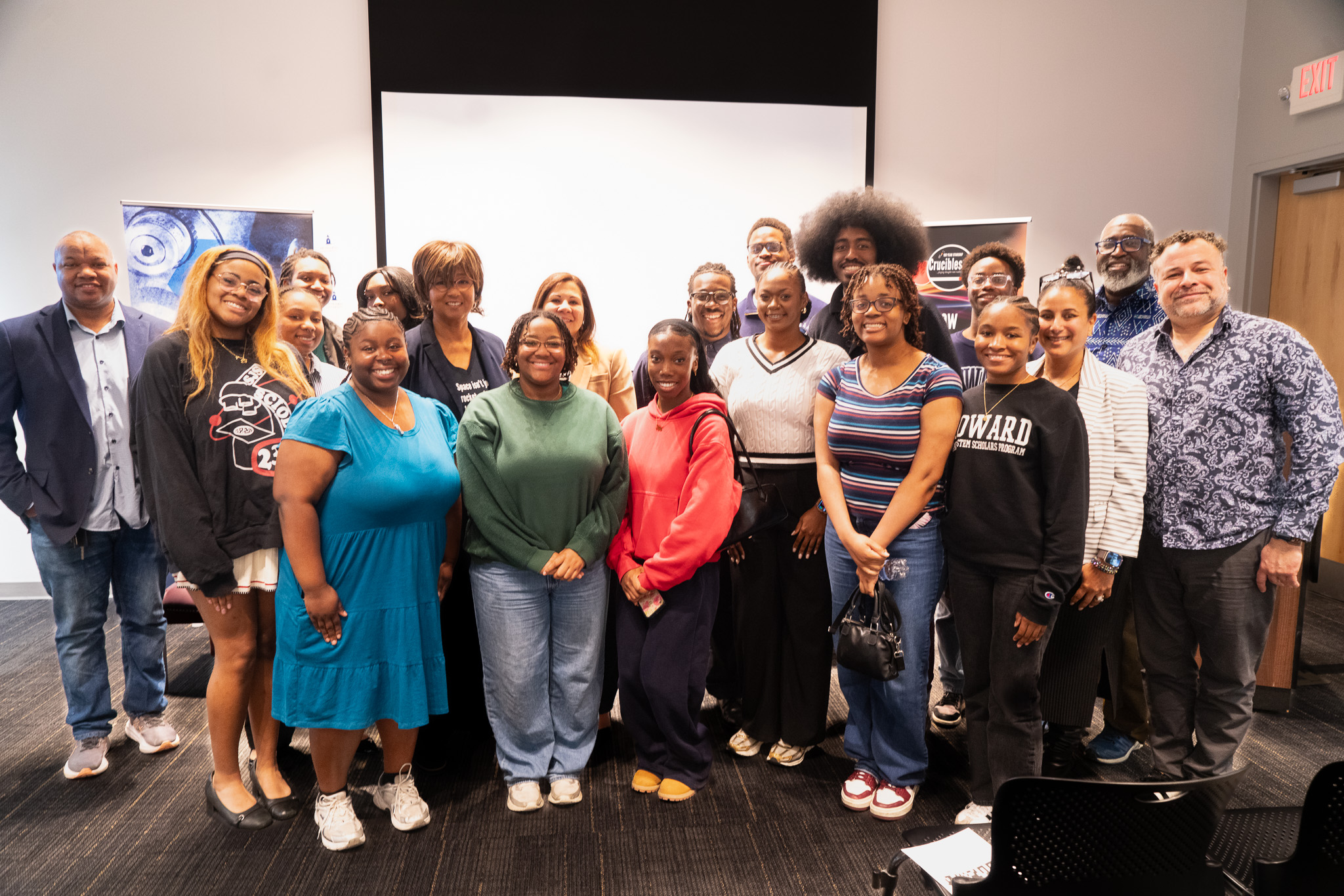


On April 27–28, as part of Howard University’s Research Month, the Research Institute for Tactical Autonomy (RITA) welcomed groundbreaking astronaut, physician and engineer, Dr. Mae Jemison, M.D., Principal of the 100 Year Starship project, for a two-day symposium titled “How Fast Can We Go? How Much Energy Do We Need?”
The symposium brought together researchers, engineers, space enthusiasts, and interdisciplinary thinkers to examine one of humanity’s most ambitious challenges: interstellar travel. With destinations like Alpha Centauri, the closest neighboring star system, as a guiding reference point, discussions focused on the scientific and engineering realities required to move far beyond our solar system. Topics included advanced propulsion systems, energy requirements for deep space travel, the feasibility of faster-than-light concepts, and the physical and operational challenges associated with relativistic speeds.
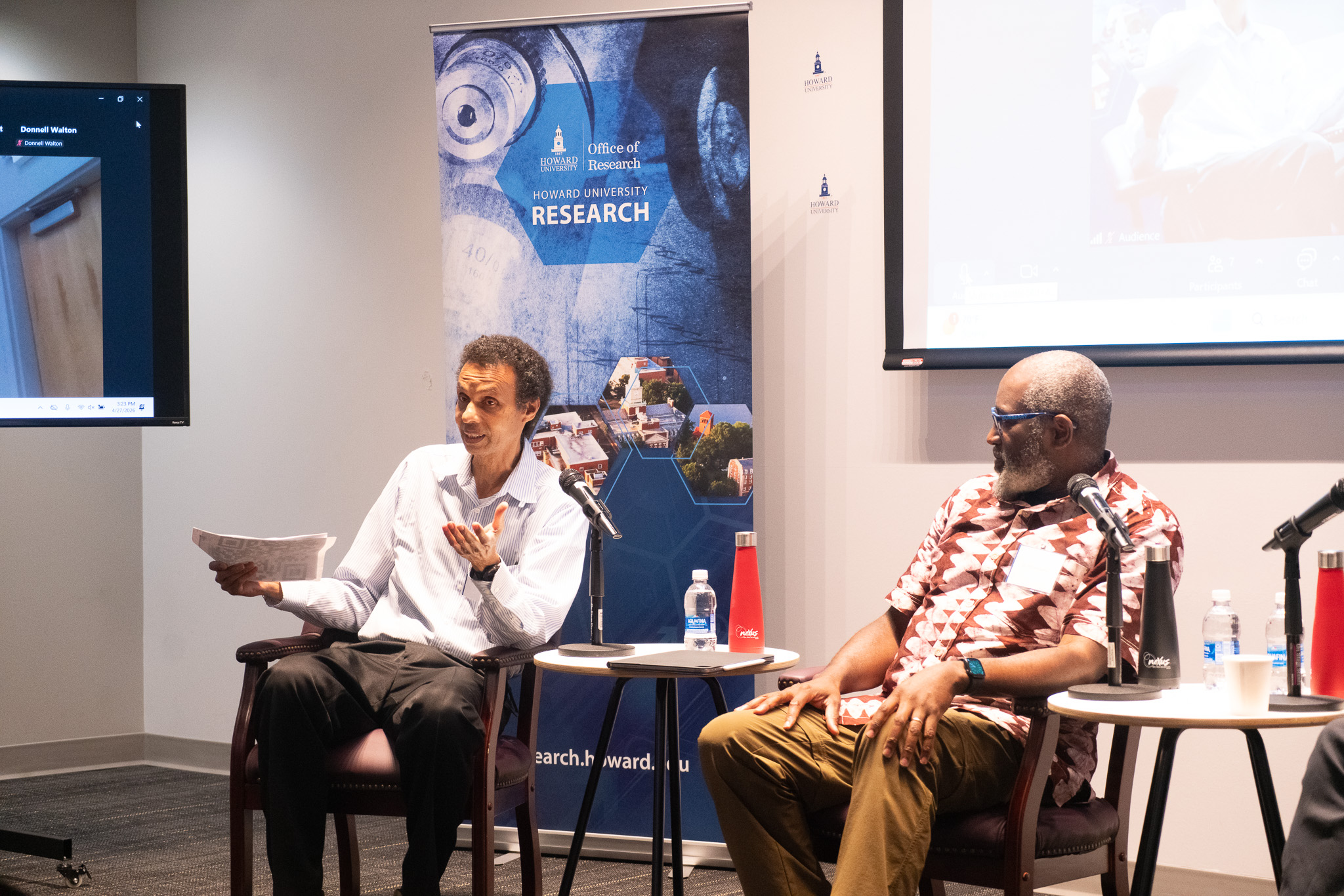
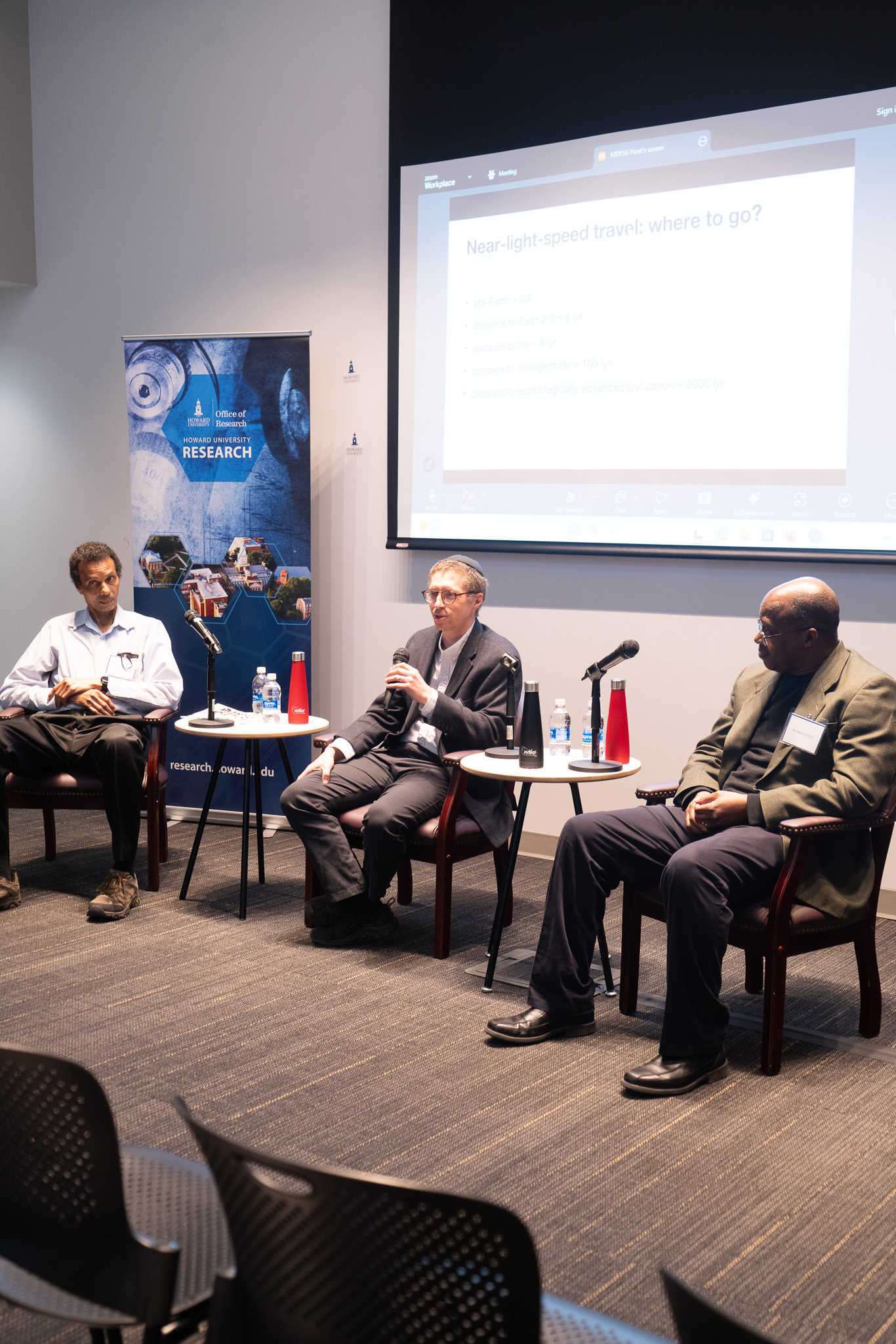
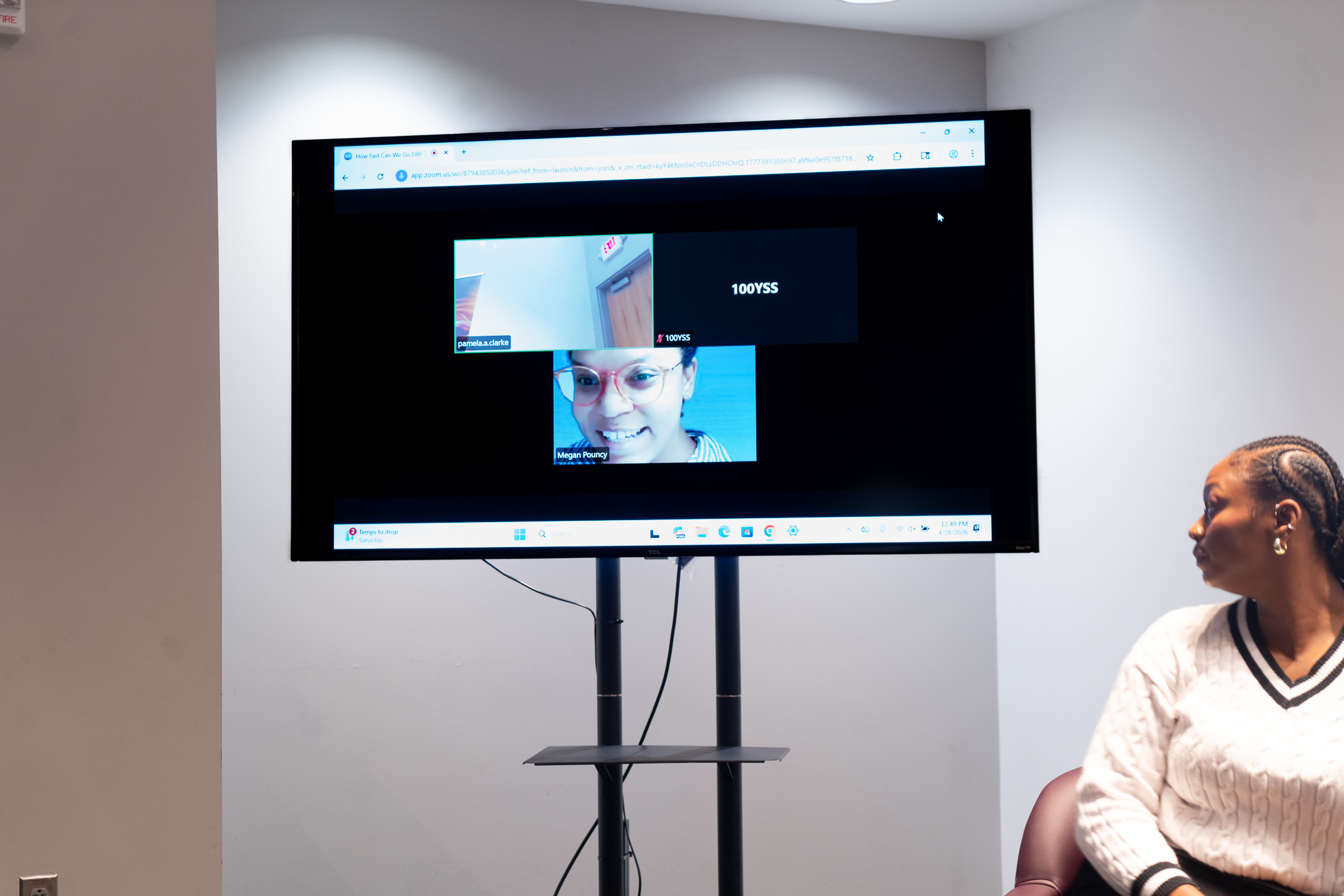
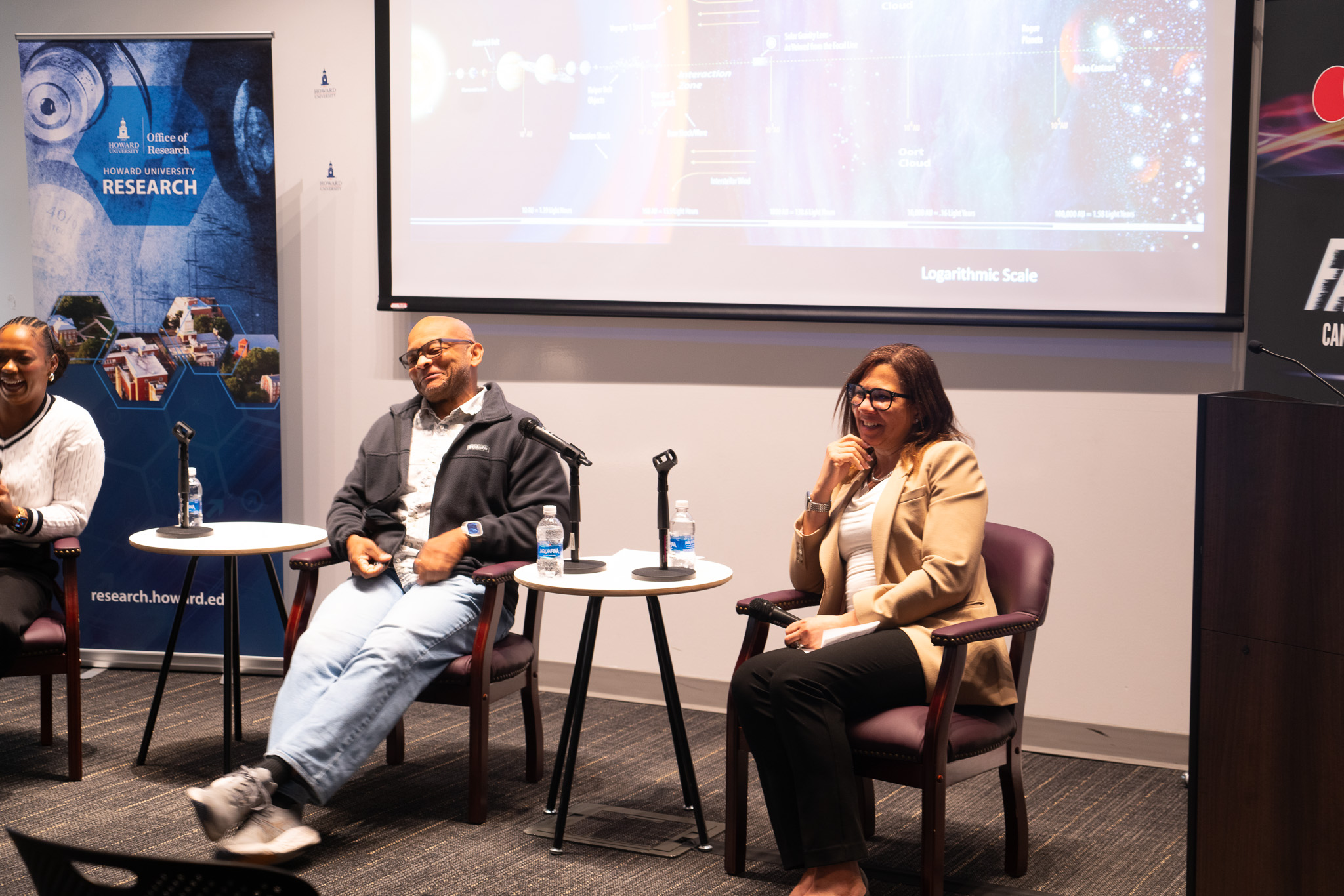
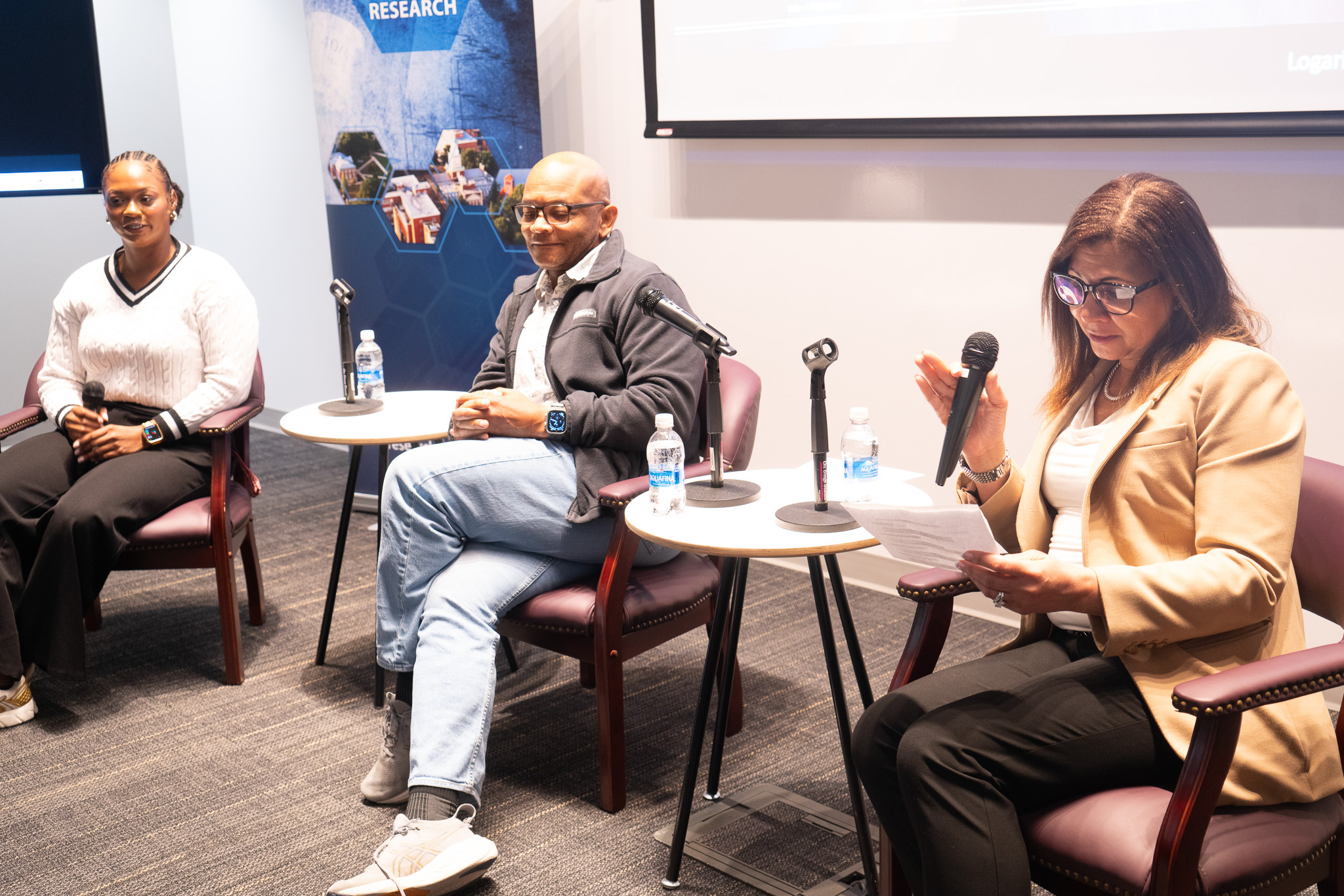
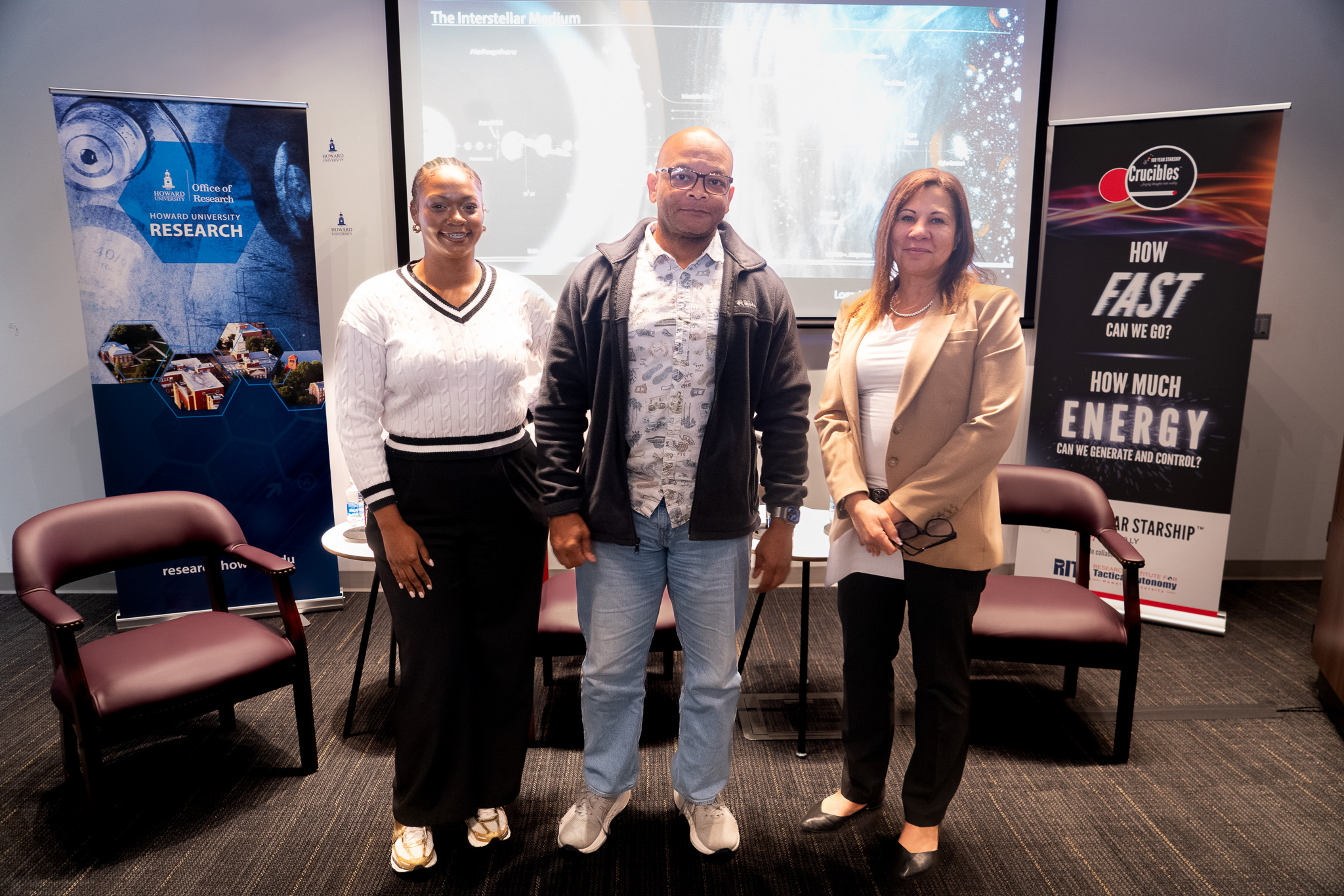
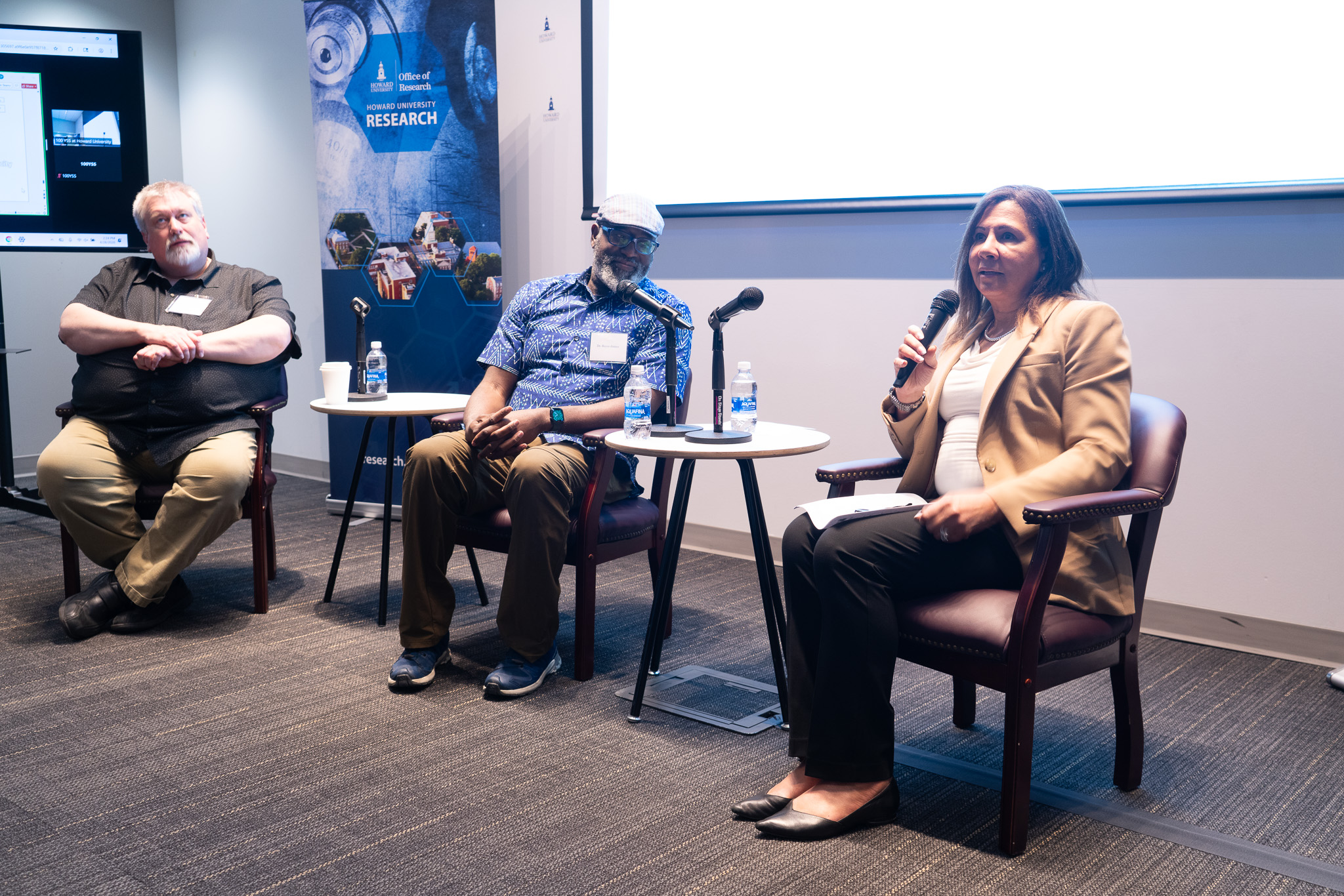
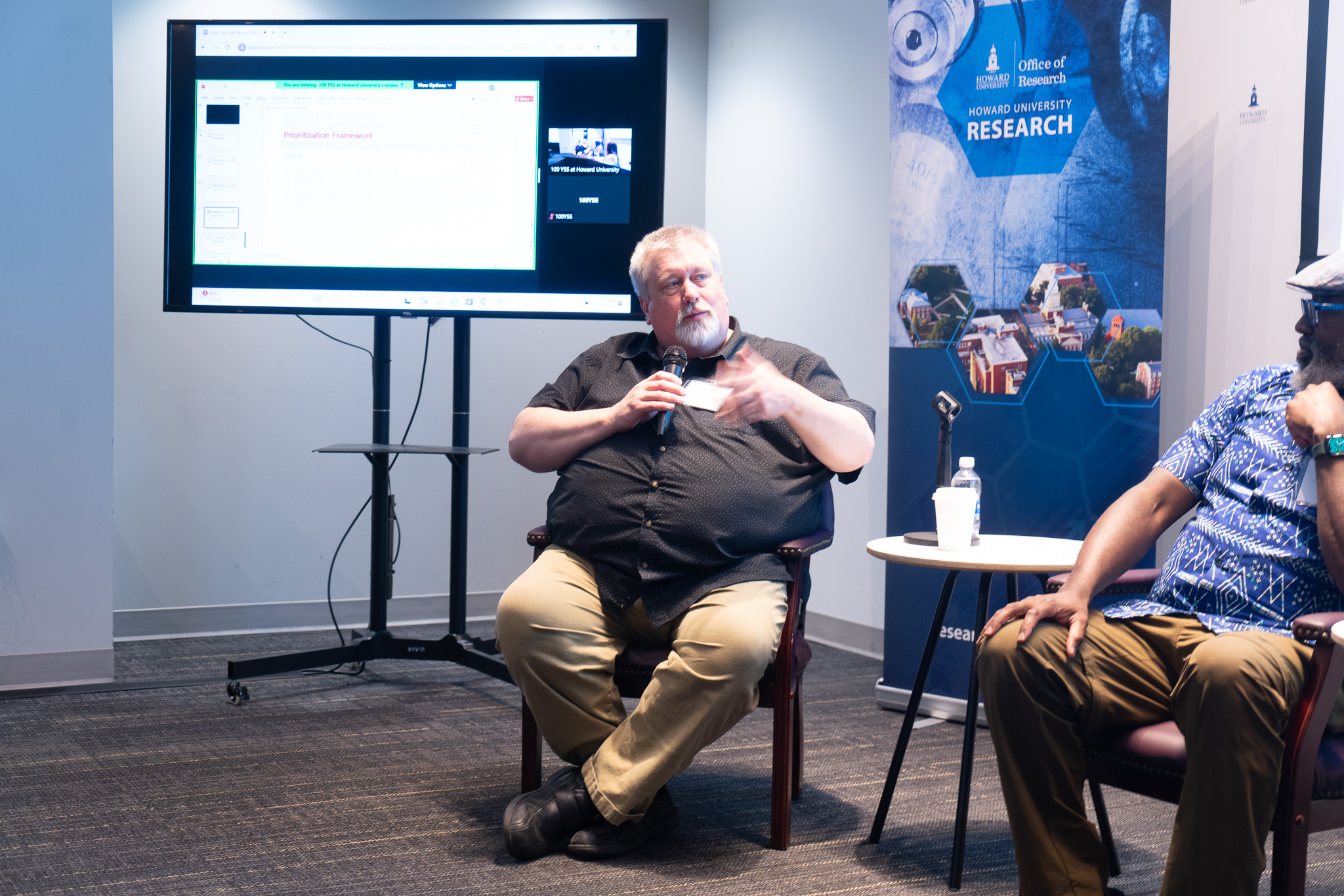
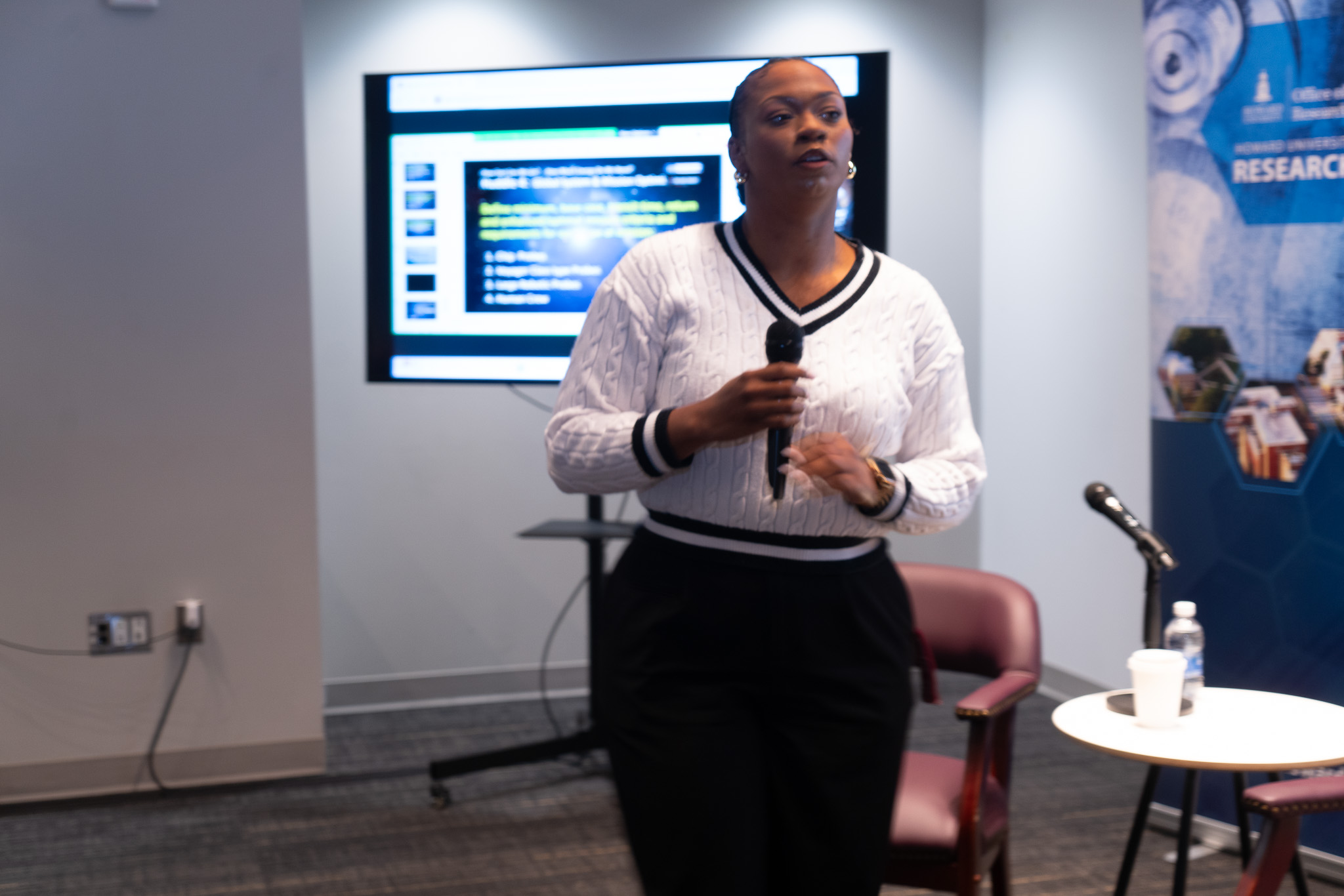
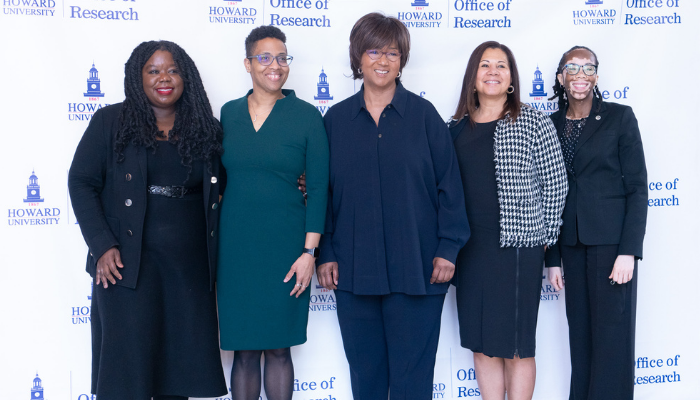
RITA Executive Director Dr. Sonya Smith led a panel discussion alongside RITA Deputy Director and CTO Dr. Donnell Walton, RITA Senior Research Scientist Dr. Anaiya Reliford, and Megan Pouncy of the University of Michigan. The panel examined the role of autonomy in deep space missions, addressing critical challenges in communication, data exchange, and system control across vast distances where real-time human intervention is no longer viable. The conversation reinforced the importance of resilient, adaptive systems capable of operating independently in highly constrained and unpredictable environments.
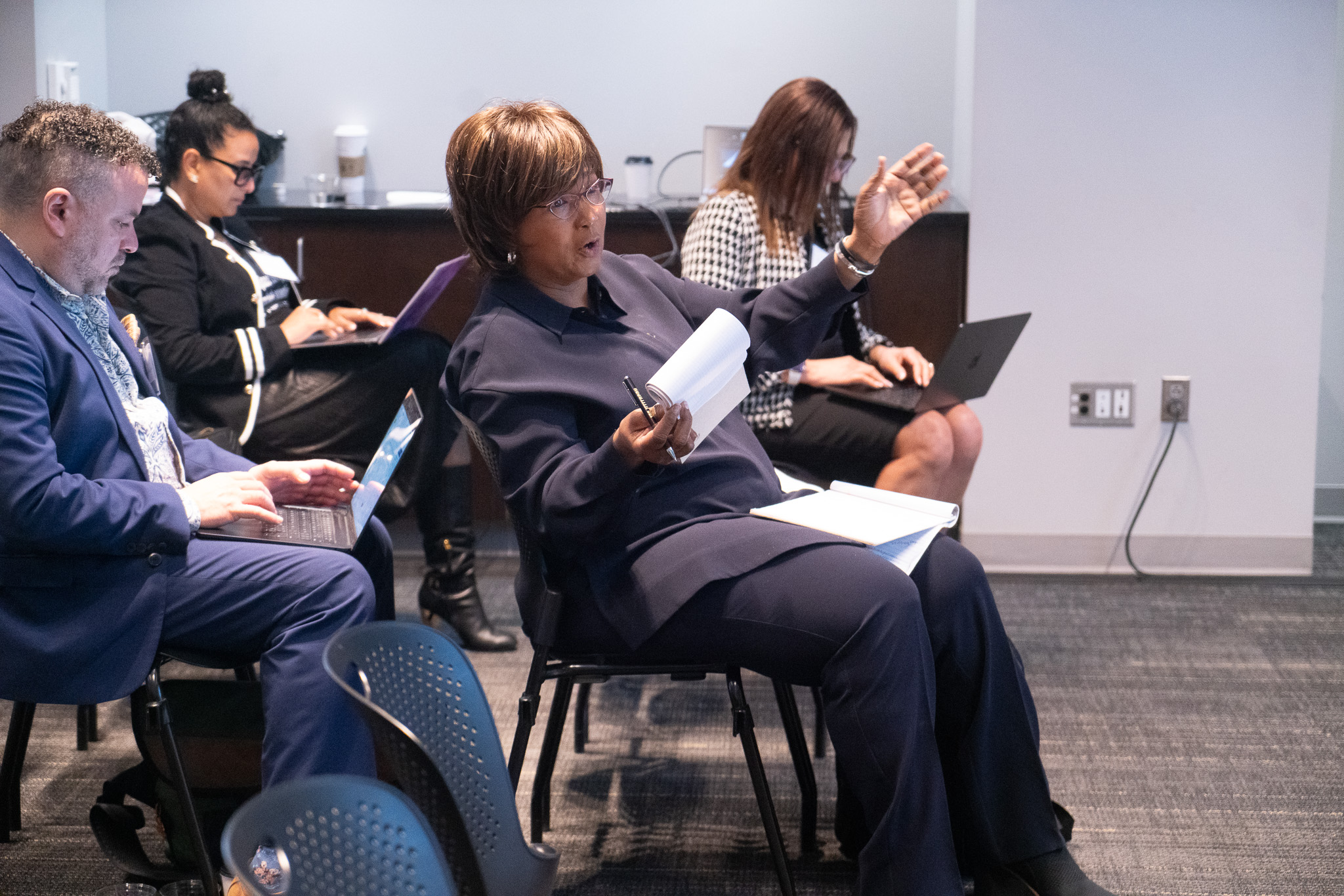
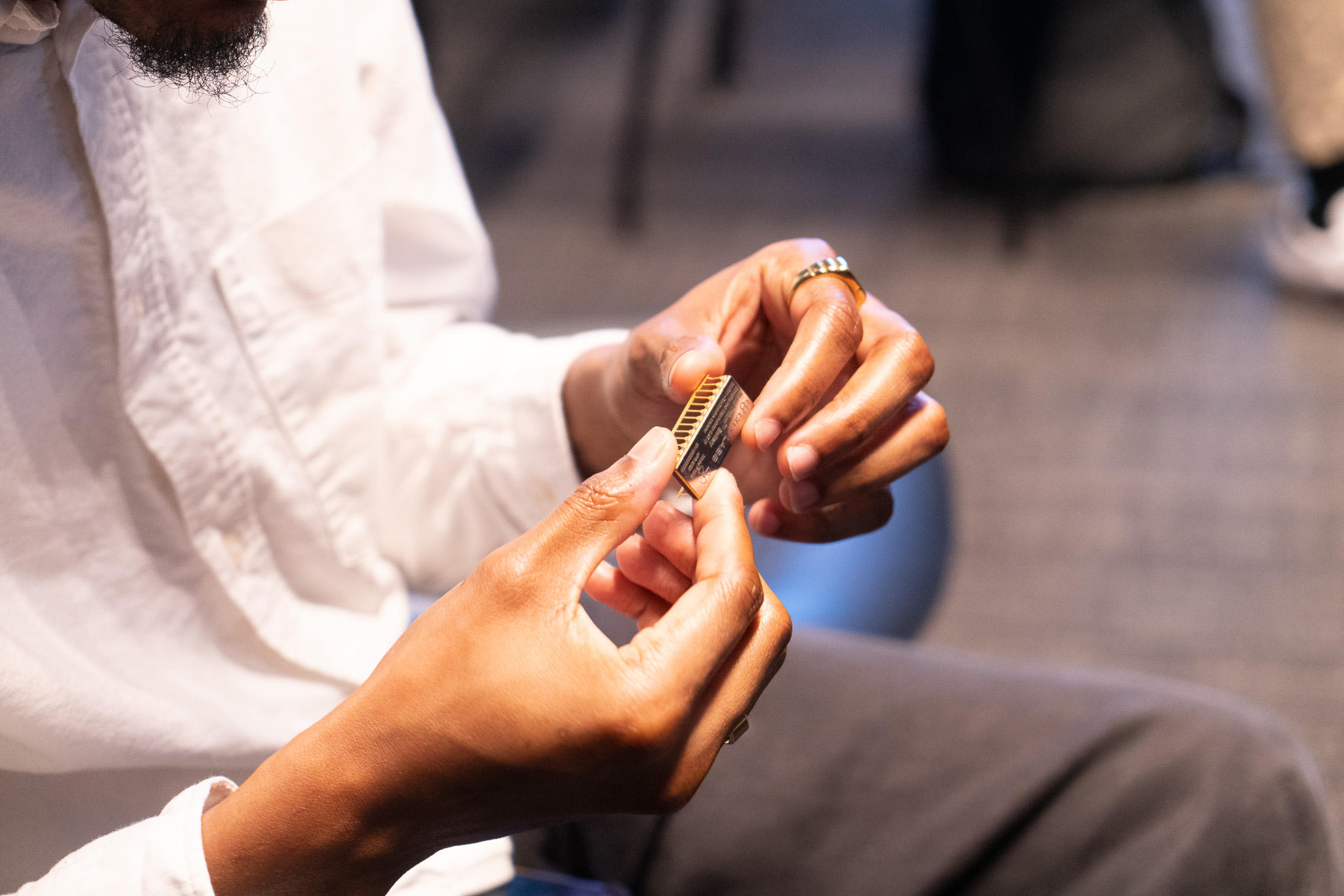
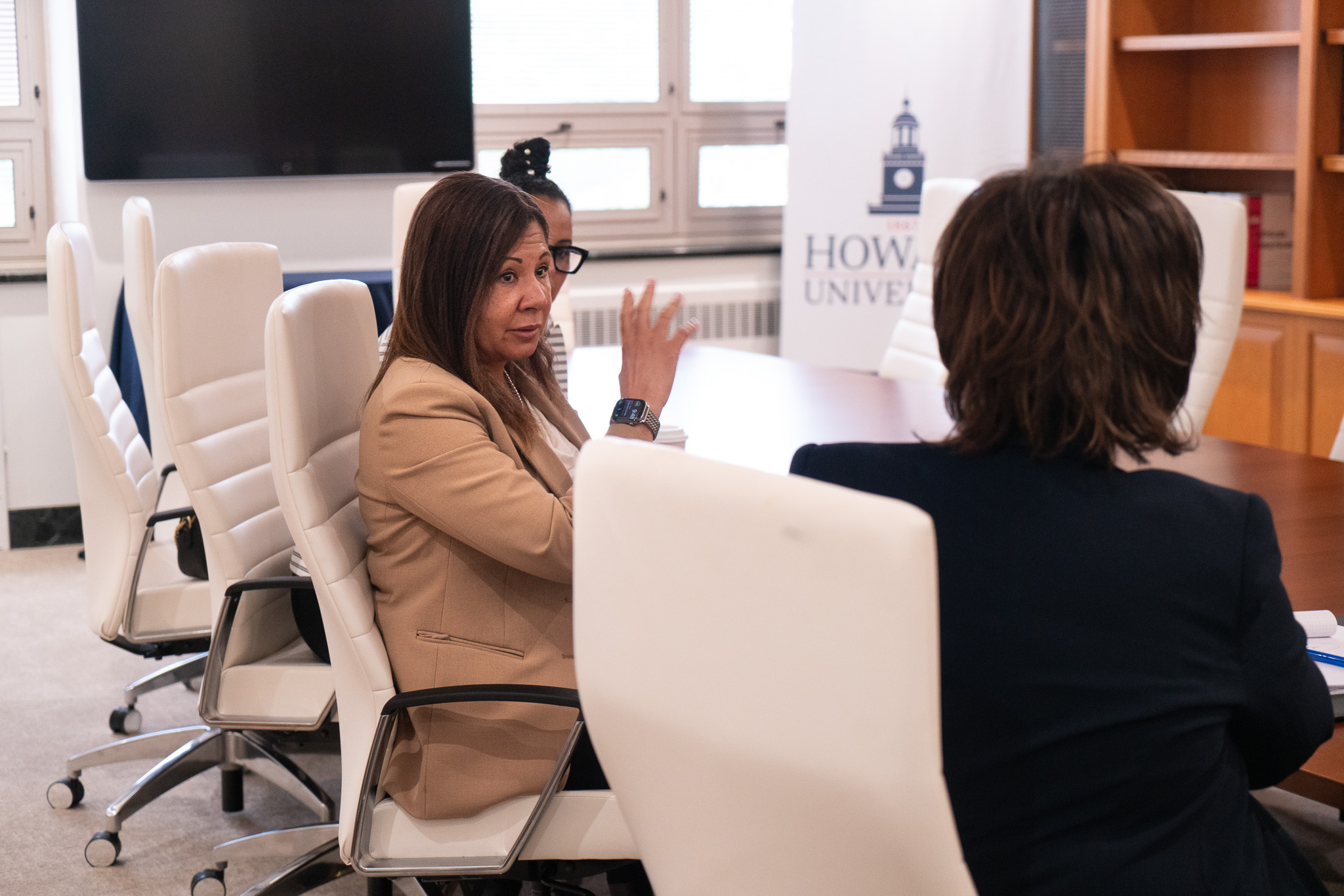
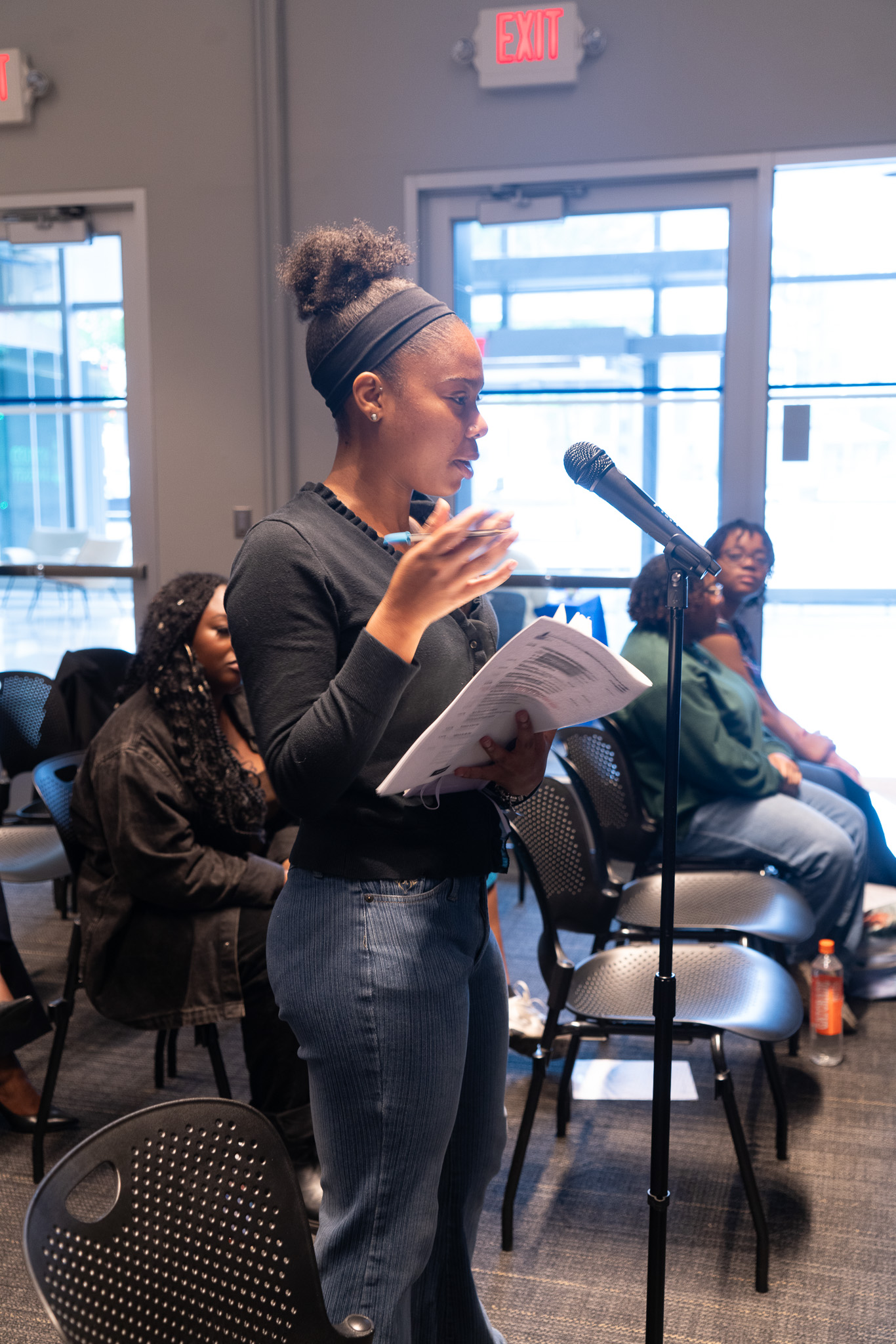
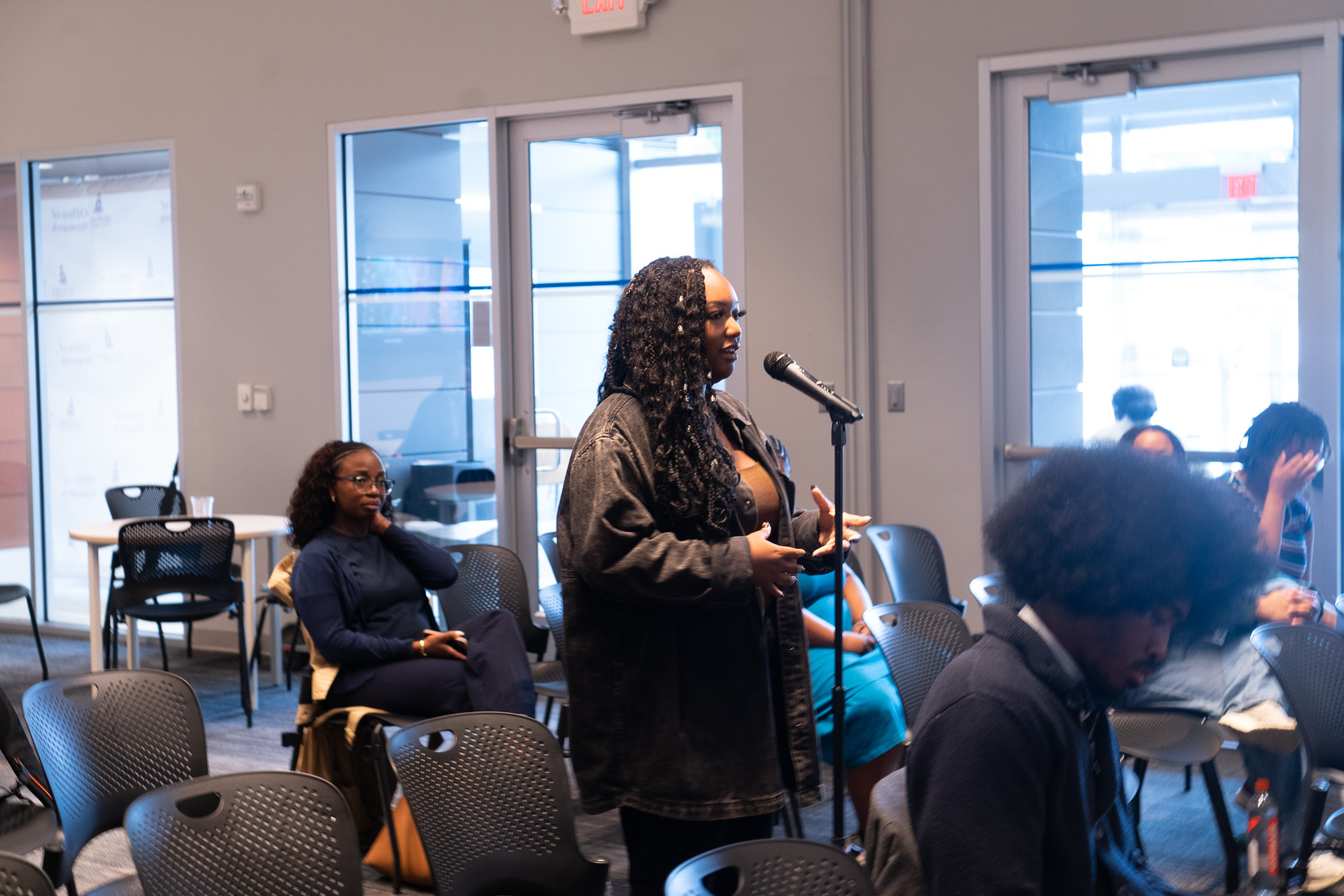
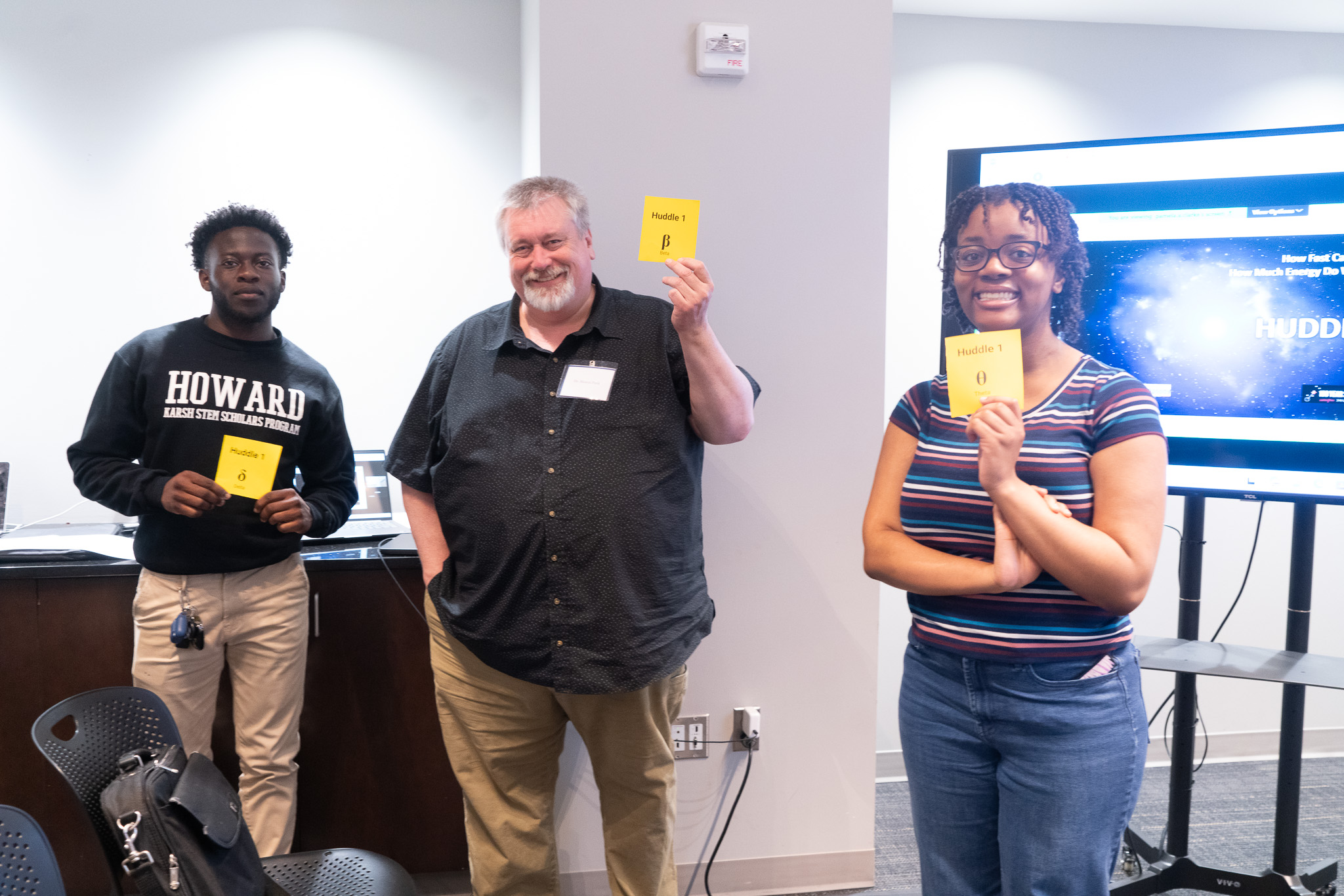
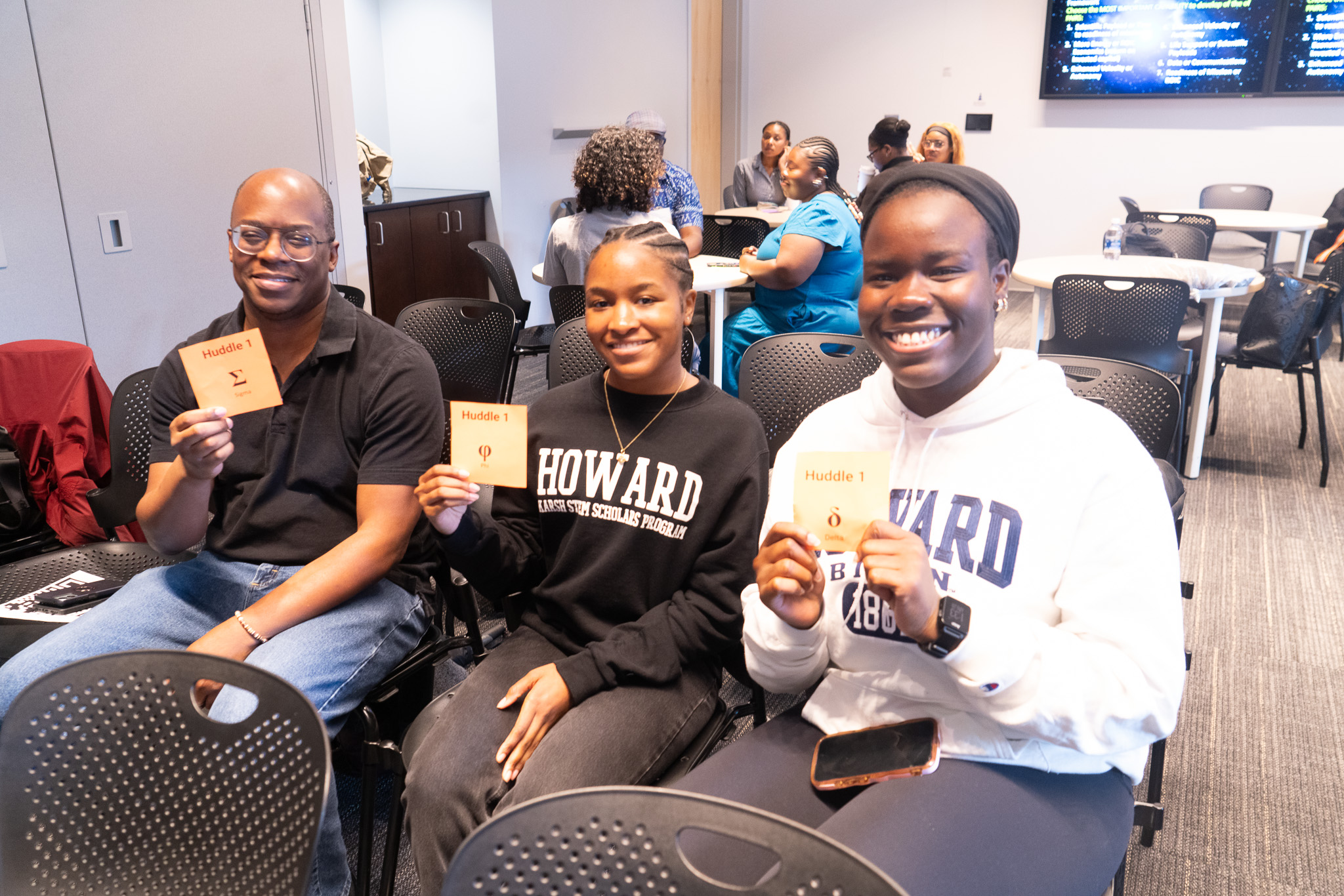
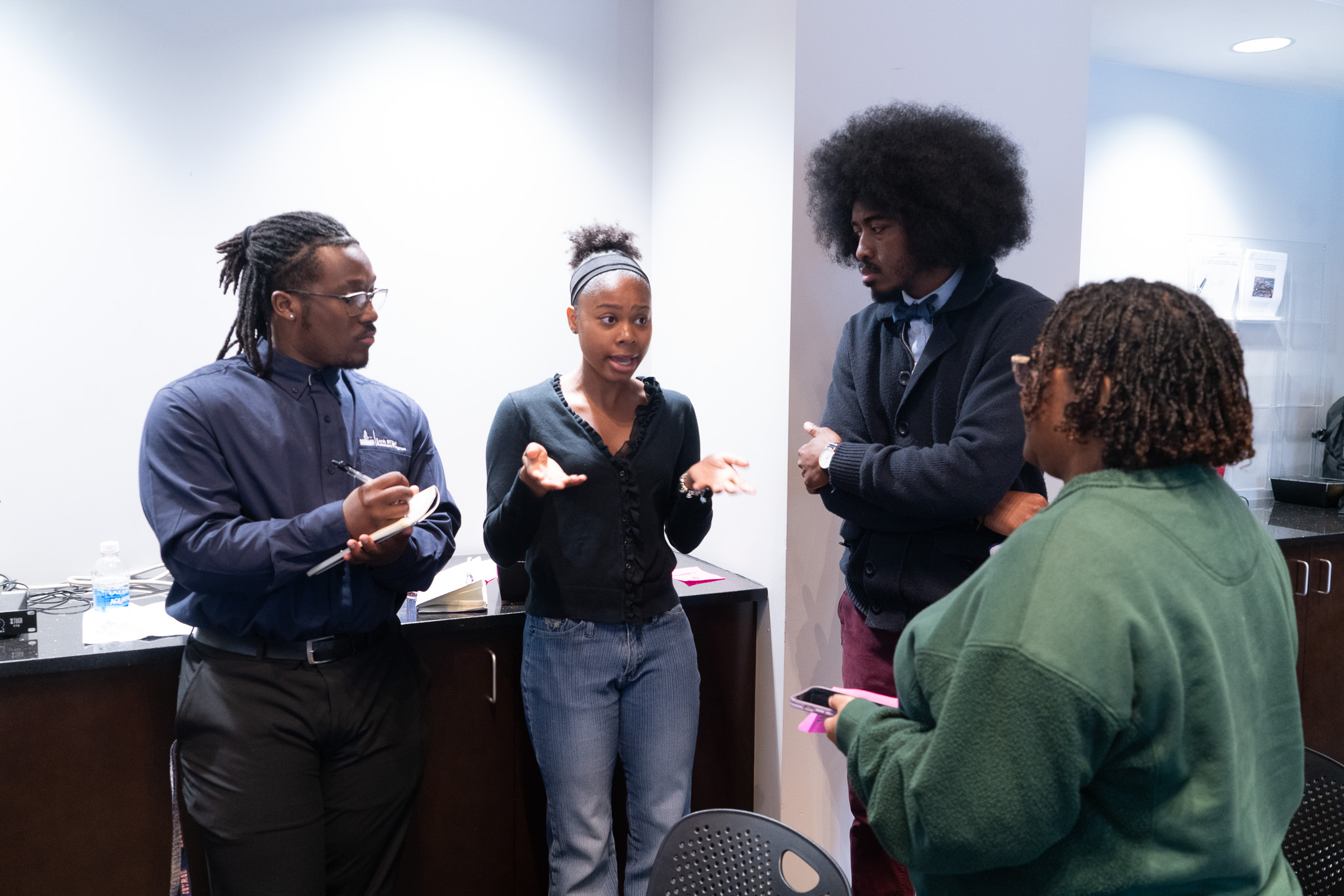
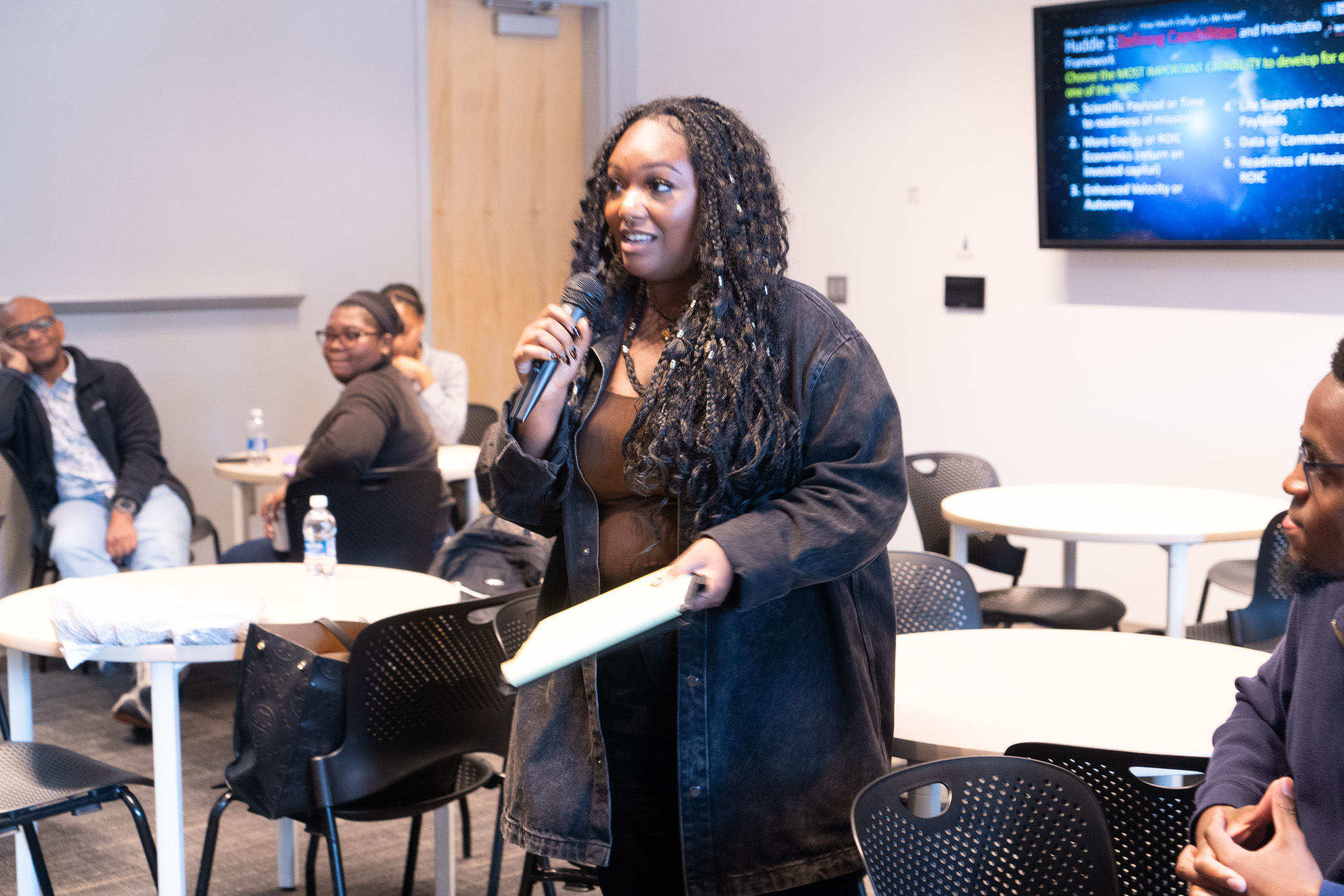
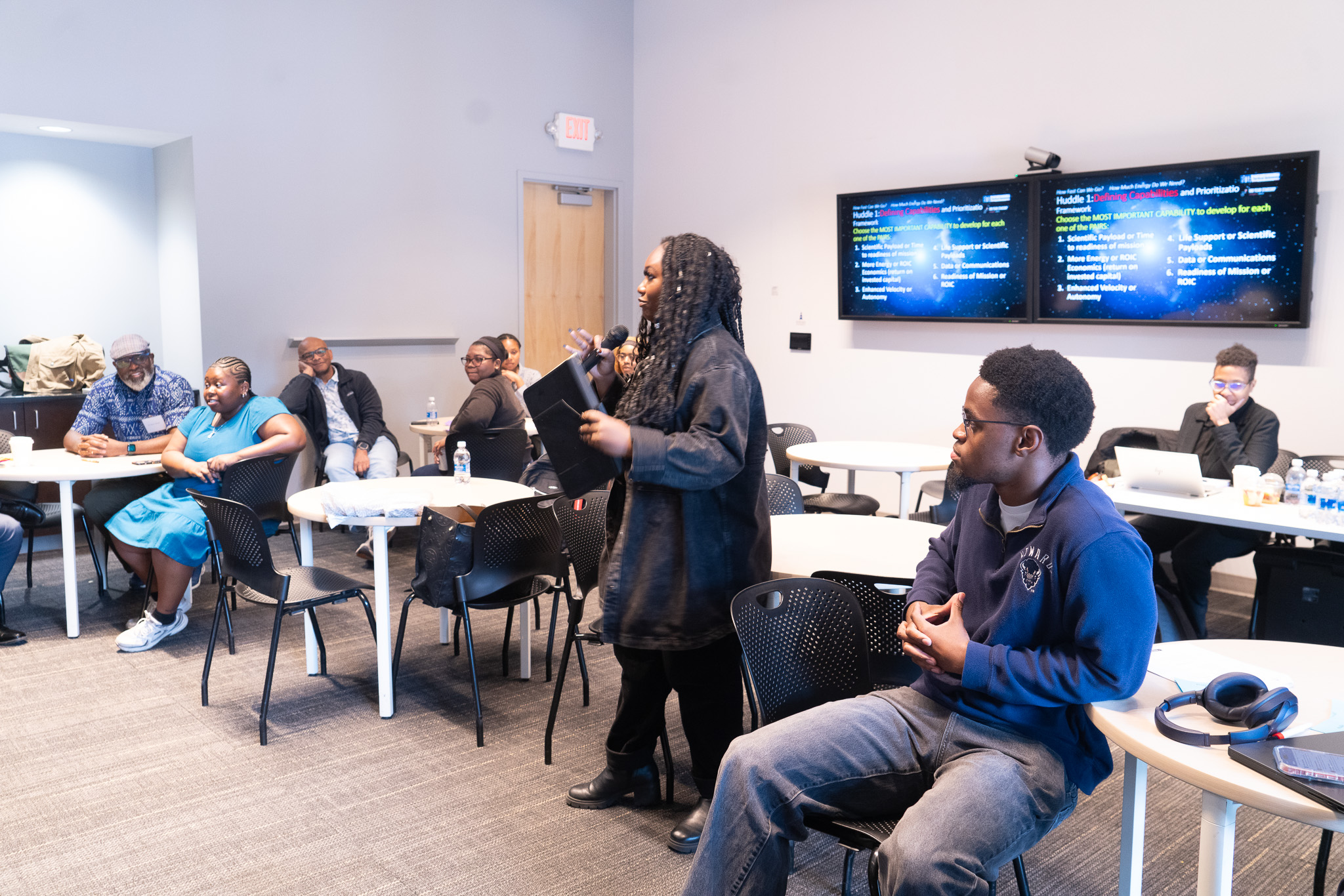
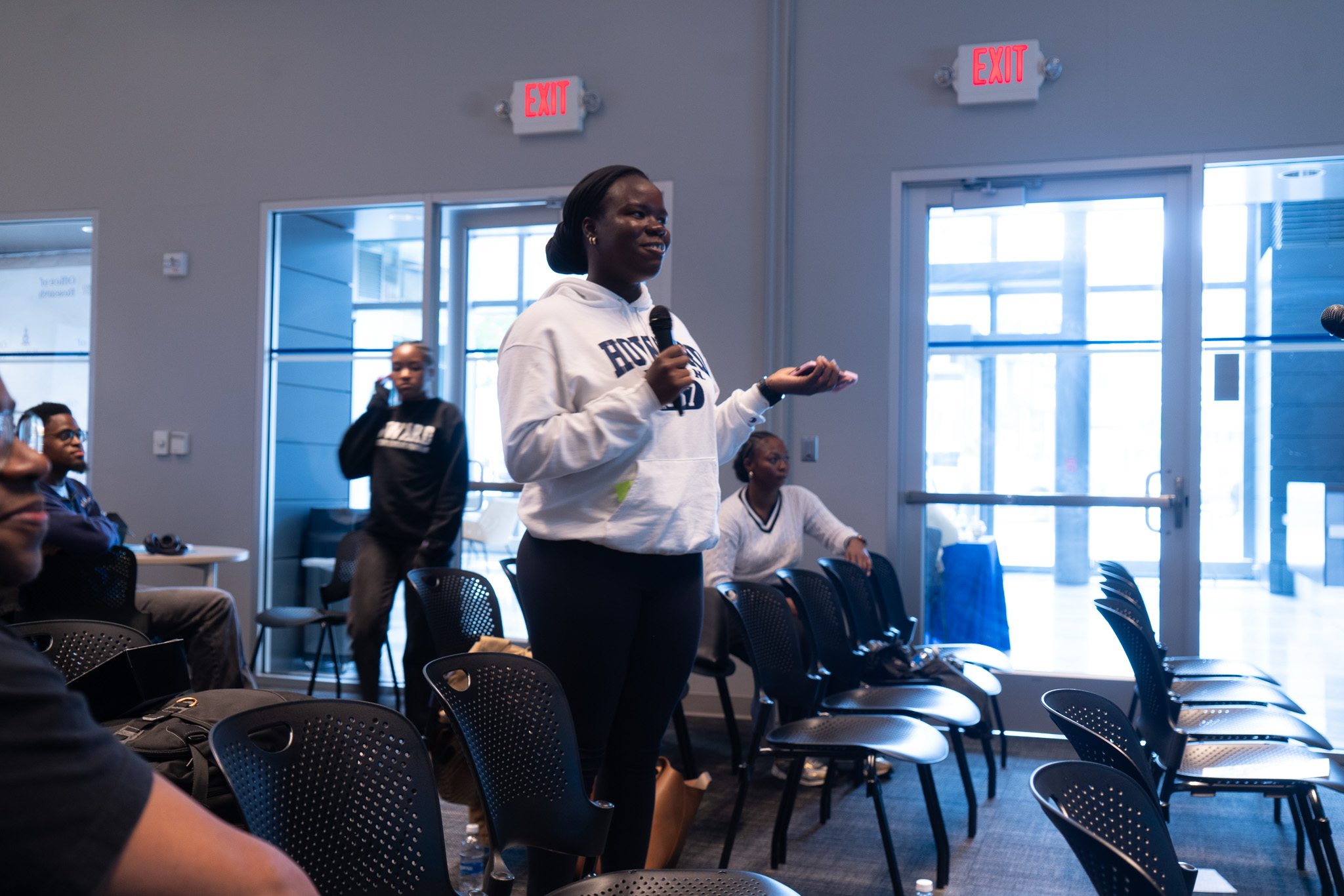
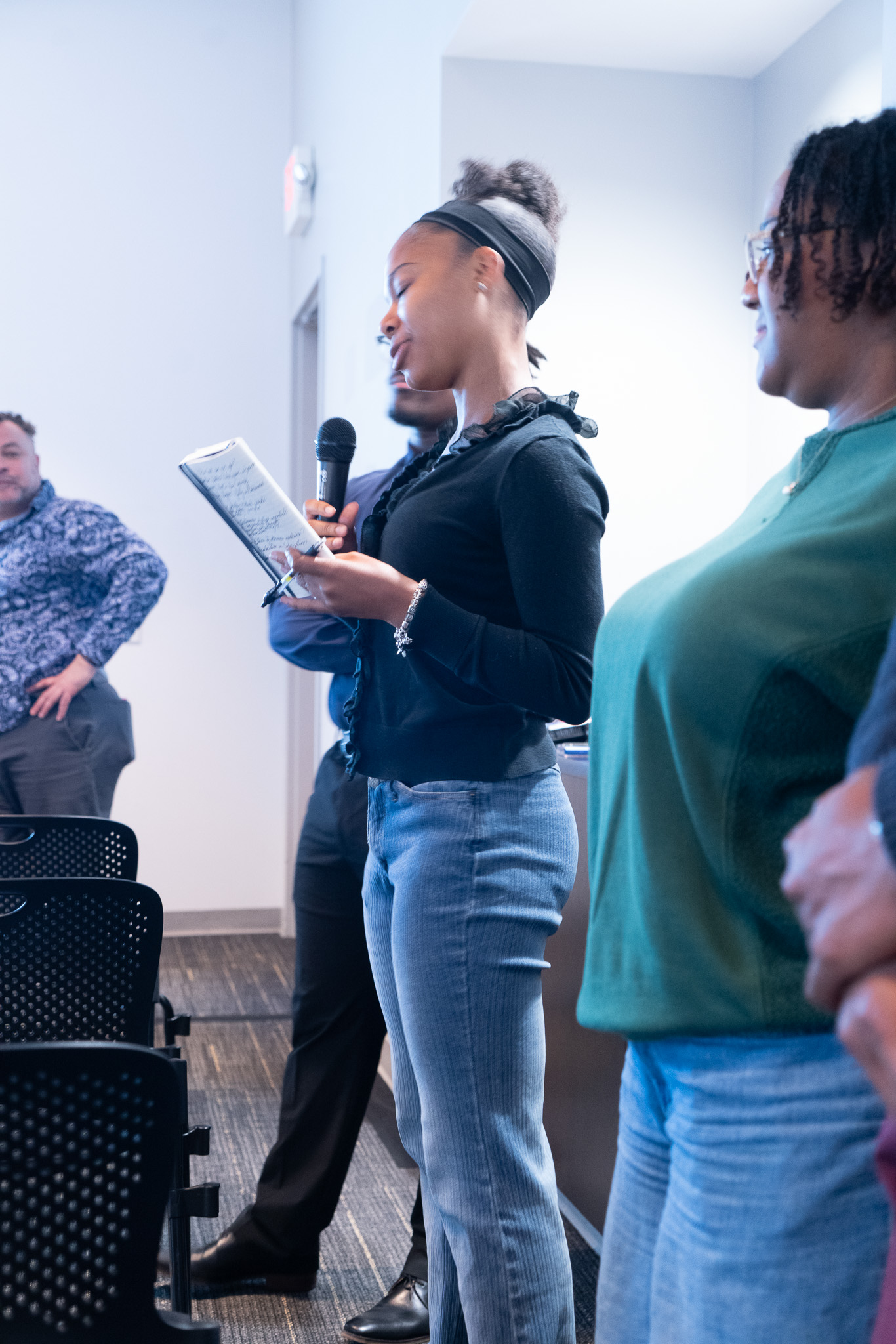
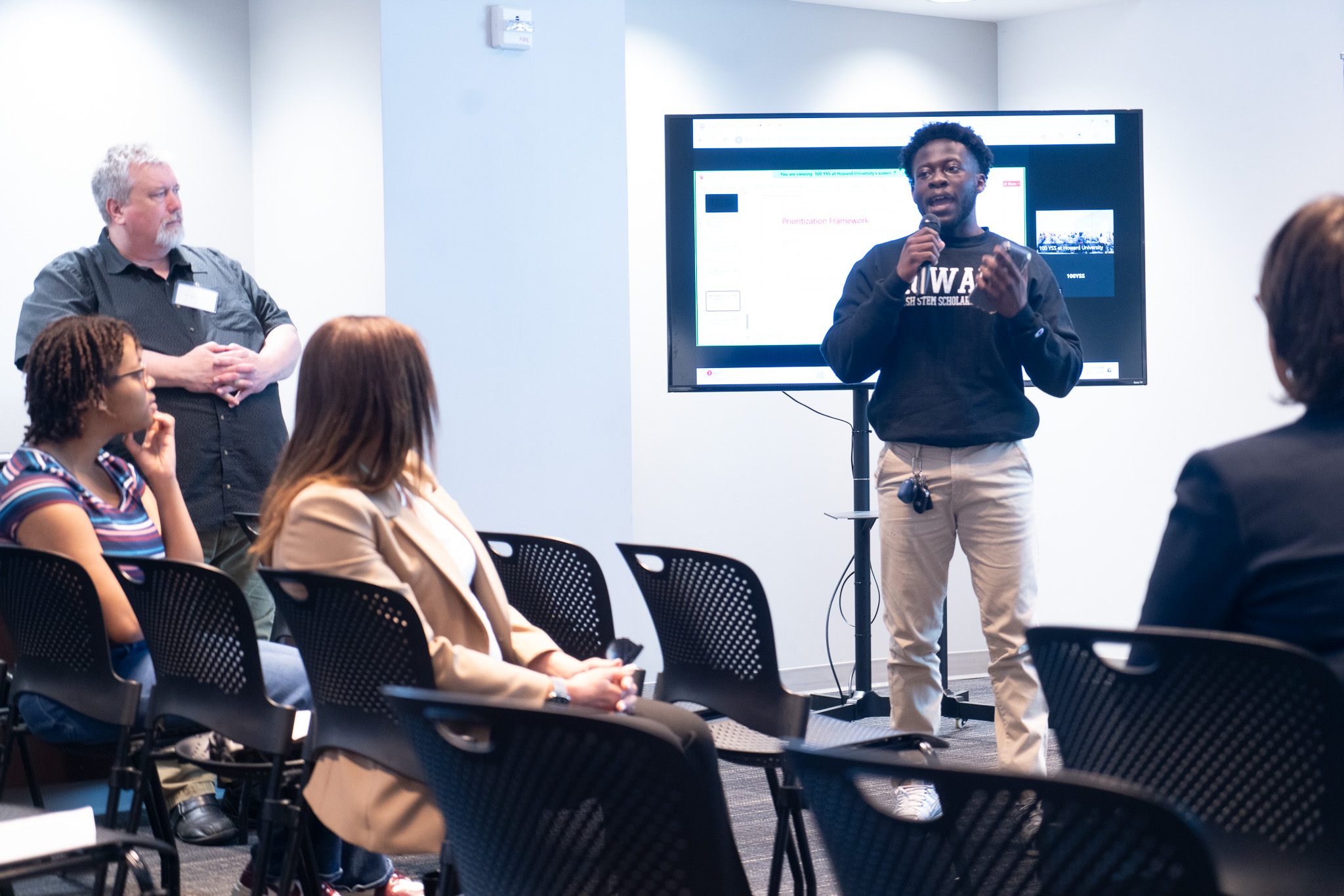
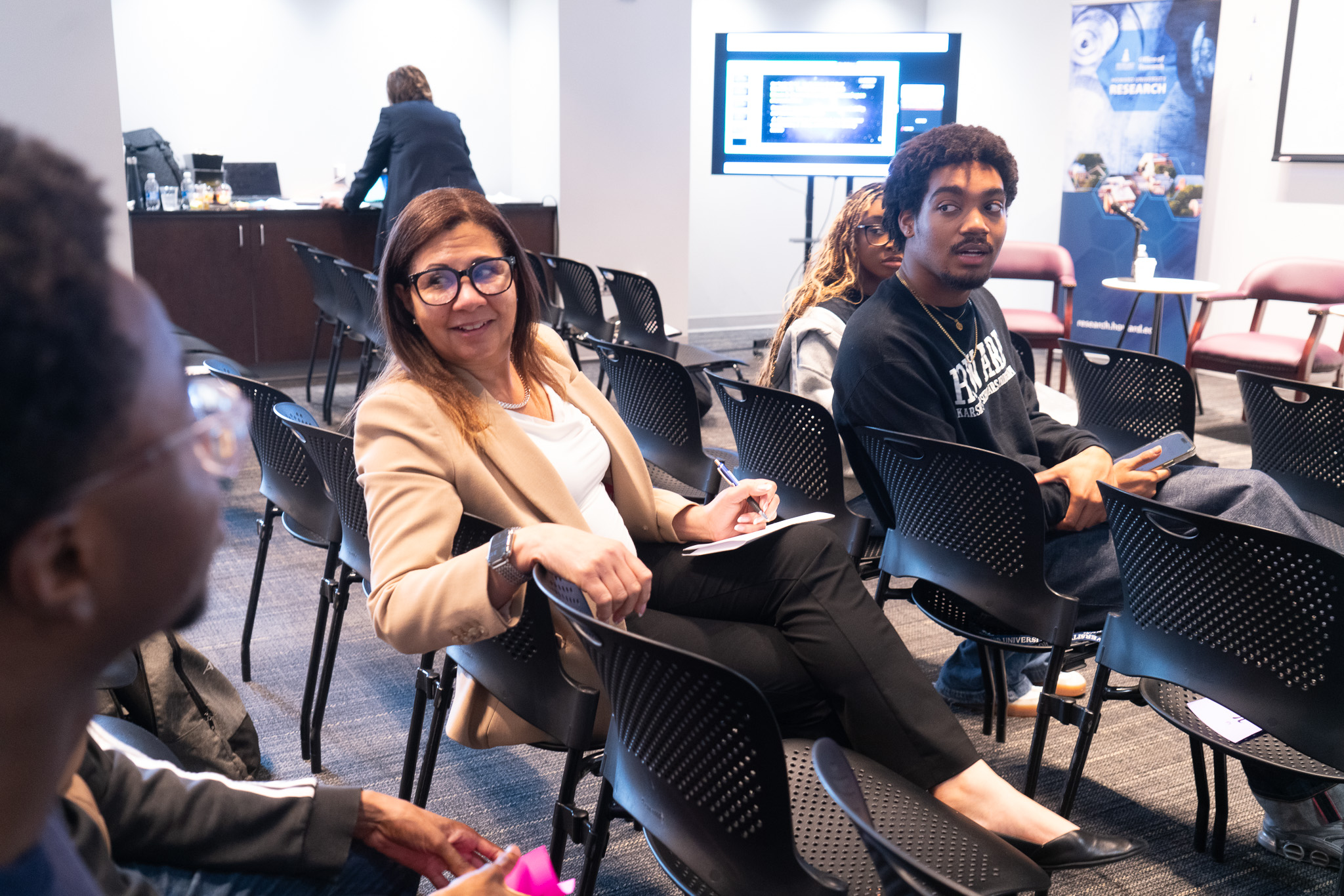
Day two shifted from exploration to application. Attendees participated in collaborative working sessions, breaking into focused groups to build on the previous day’s ideas and begin shaping practical frameworks for interstellar mission design. These sessions emphasized defining critical capabilities and prioritization strategies, with considerations spanning crew health, velocity thresholds, scientific payloads, and long-distance communication systems.
Throughout the symposium, Dr. Jemison challenged attendees to think beyond conventional limits and embrace the uncertainty inherent in pioneering work.
“It took us 50 years to go back to the moon when we did it in 10 years the first time. That tells us something. We have to allow ourselves to think bigger. We are not going to get there by playing it safe.”- Dr. Mae Jemison
The symposium underscored a central theme: achieving interstellar travel will require not only technological breakthroughs, but also a shift in mindset. By bringing together diverse expertise and fostering bold, forward-thinking dialogue, RITA continues to position itself at the intersection of advanced research and future mission capability, where autonomy, resilience, and innovation converge to shape what comes next.